A sun gear is the central external gear in a planetary, or epicyclic, gear set. Planet gears mesh around it and also engage an internal ring gear, while a carrier holds the planet pins. The exact speed ratio depends on which member is driven, held or used as the output.
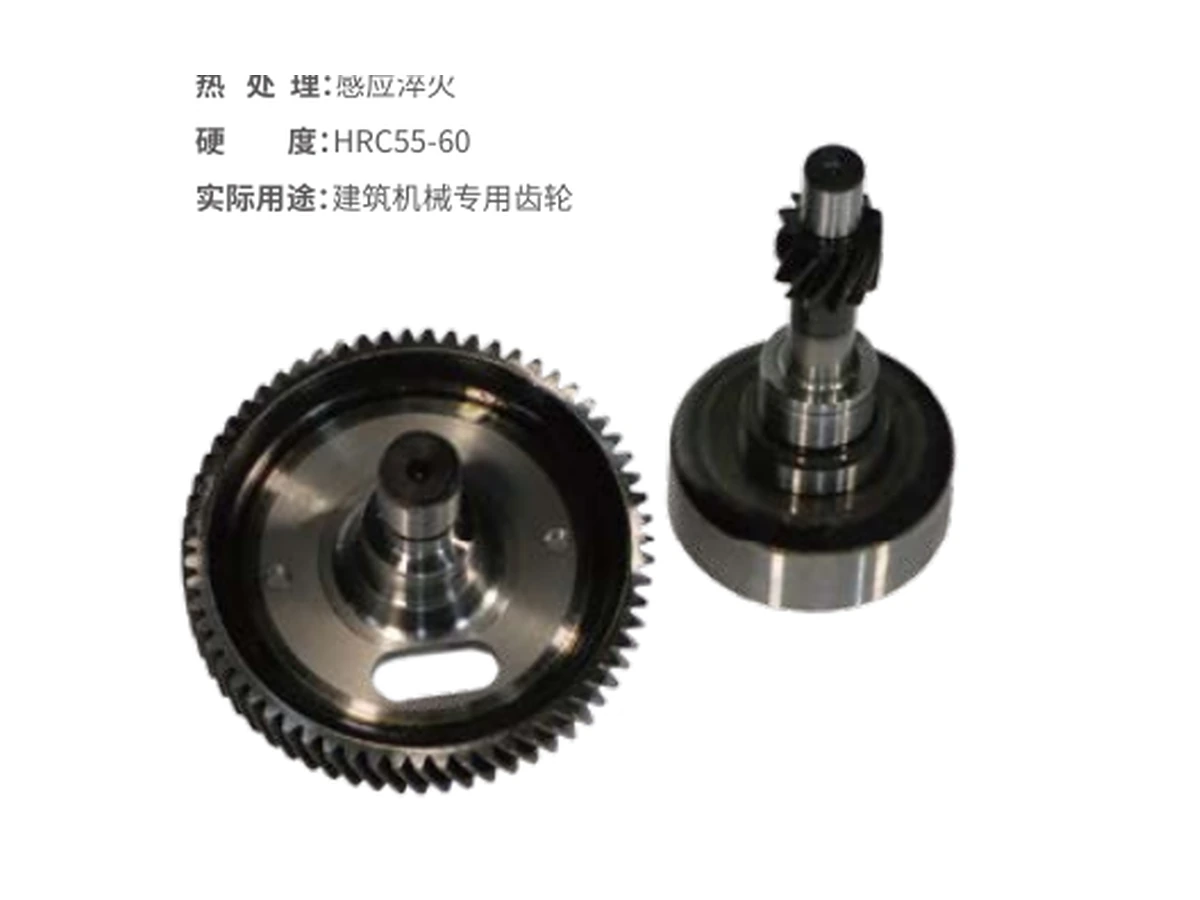
The Sun Gear is one member of a four-part mechanism
It is tempting to think of the sun gear as a small pinion inside a gearbox. Functionally it is more important than that: it establishes one side of every sun-to-planet mesh, and its tooth count participates in the kinematics of the planetary stage.
The four familiar members are the sun gear, the planet gears, the internal ring gear and the planet carrier. Different arrangements can fix or drive different members, so the same basic architecture can be used for reduction, speed increase, power splitting or differential action.
What makes one Sun Gear different from another?
| Kiraan gigi | Works with planet/ring tooth counts and influences planetary kinematics |
|---|---|
| Modul / DP | Defines tooth size and must match the mating planet gears |
| Sudut tekanan | Must match the intended gear system |
| Spur / helical | Changes tooth-line geometry; helical designs also need helix angle and hand |
| Bore / spline / shaft | Defines how torque reaches the sun gear and how it is located |
| Bahan / rawatan haba | Chosen from duty and drawing requirements |
| Quality / runout | Controls how accurately the teeth run relative to the mounting interface |
Why replacement measurement needs system context
A damaged sun gear can often be measured for tooth count, face width, bore and many other dimensions, but some design information is difficult to recover from wear alone. Profile modifications, original backlash strategy, heat-treatment depth and exact quality requirements may not be visible. Measuring the planet and ring components and reviewing the gearbox assembly can prevent a visually similar but functionally wrong replacement.
What should be included in an RFQ?
Send the original drawing if available. Otherwise record module or DP, tooth count, pressure angle, spur/helical form, helix data, face width, bore/spline/shaft details, material clues, mating gear tooth counts and the application. Add torque, speed and duty when the gear is being redesigned rather than reproduced.