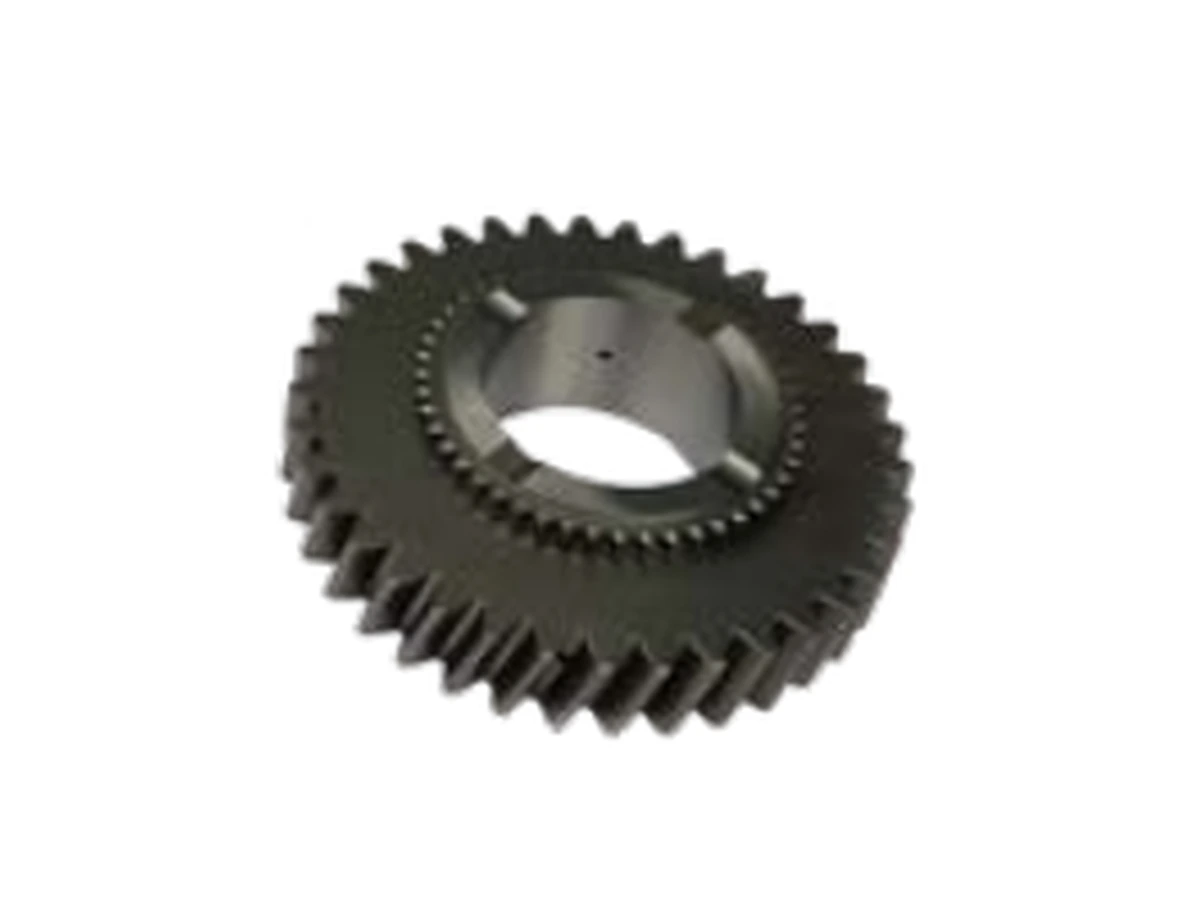
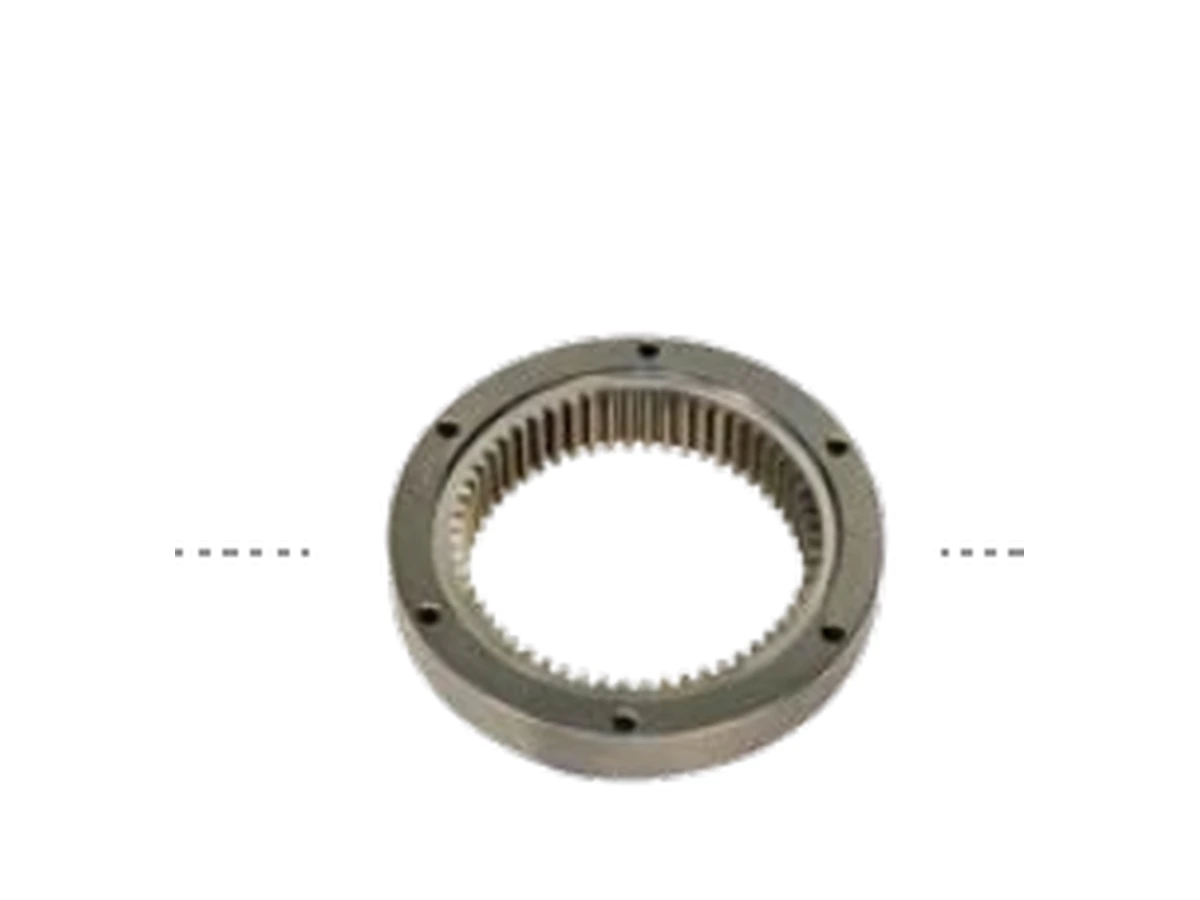
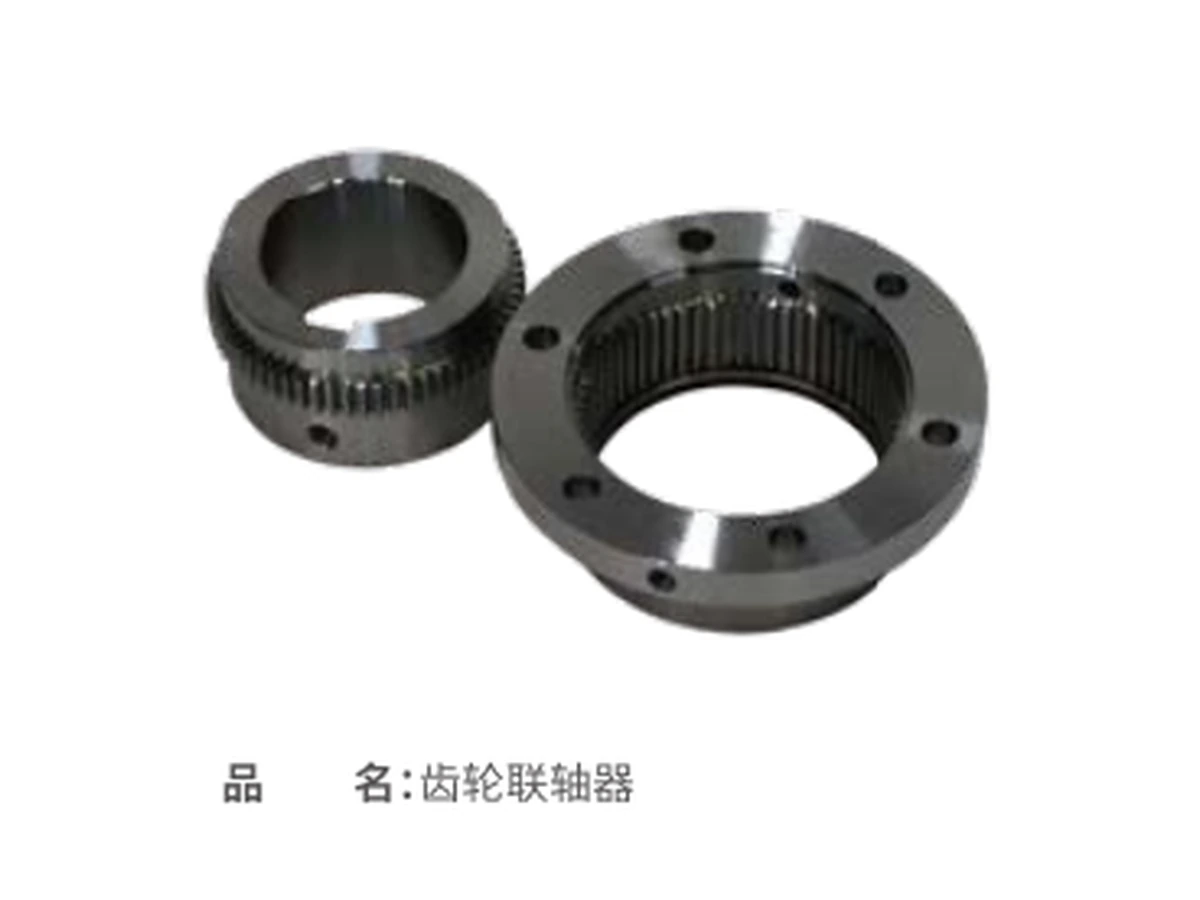
Wind Turbine Gearboxes Sun Gear Applications
Planetary stages are common in wind-turbine gear trains because they can split load among multiple planets in a compact coaxial arrangement.
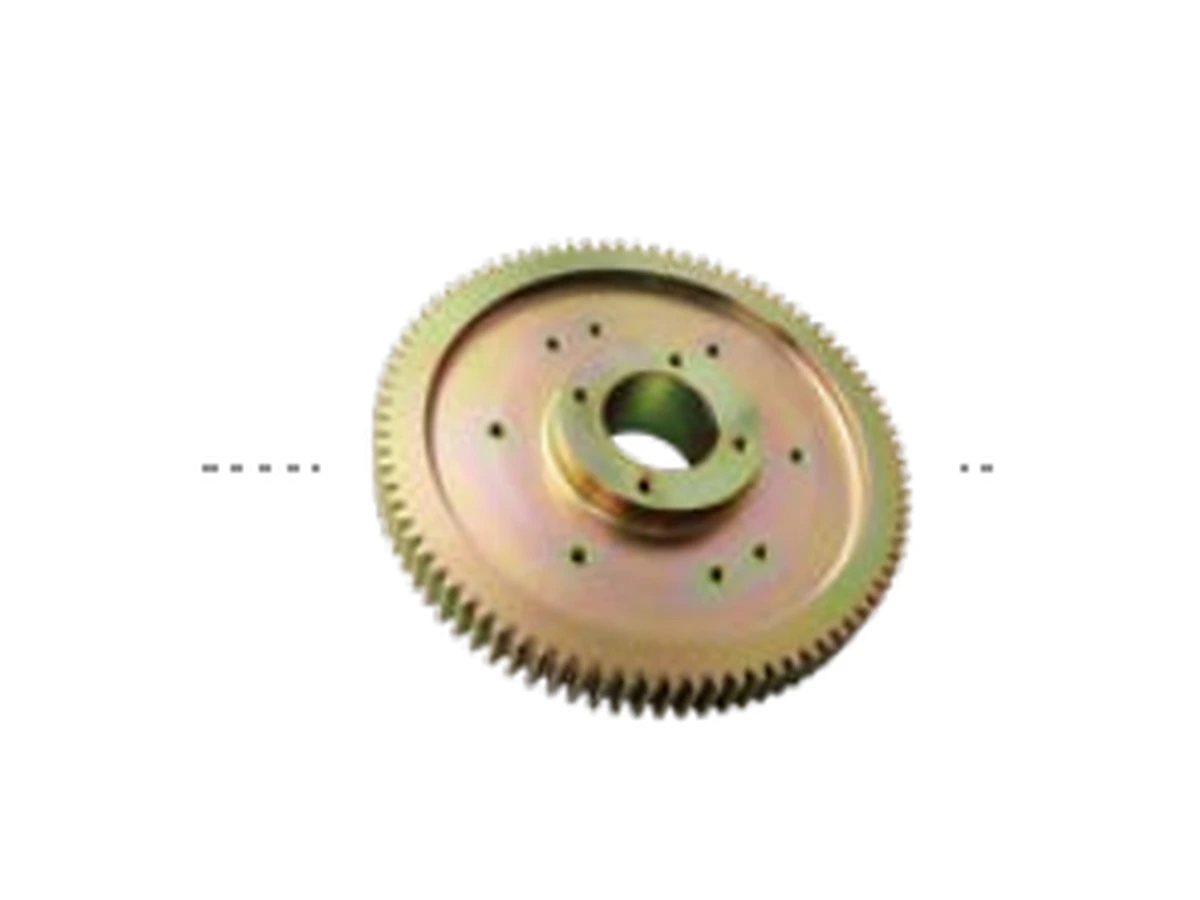
What the Sun Gear has to do in this application
Large-duty gearboxes place strong emphasis on fatigue, tooth contact, heat treatment, grinding quality, load sharing and traceable inspection. Exact requirements are project-specific and normally drawing controlled.
The central gear must remain compatible with the planet gears and ring gear while also locating correctly on its shaft, spline or integrated journal system. That combination is why a complete drawing is preferred to a simple dimensional sketch.
Data that should accompany the drawing
| Application data | Rated/peak torque, stage speed, planet count, operating spectrum, lubrication, material/heat treatment, tooth-quality requirement and full mating geometry. |
|---|---|
| Tooth definition | Module/DP, tooth count, pressure angle, spur/helical form and any profile modification |
| Helical data | Helix angle and hand for helical stages |
| Interfaces | Bore/spline/shaft, bearing or journal datums and axial locating faces |
| Material / treatment | Keep the approved material and heat-treatment callout; proposed changes require engineering review |
| Mating components | Planet and ring gear tooth counts/drawings, planet count and carrier relationship |
Where a replacement project can go wrong
A wind gearbox sun gear should be treated as part of a loaded system. Profile/lead modifications and load-sharing decisions cannot be reconstructed reliably from nominal module and tooth count alone.
Also check how the component is retained axially, how torque reaches the sun gear, and whether lubrication reaches the mesh and spline/journal interface. When the original part failed, include photographs and failure location so the new RFQ does not simply copy a damaged geometry without context.
Review the complete planetary stage when useful