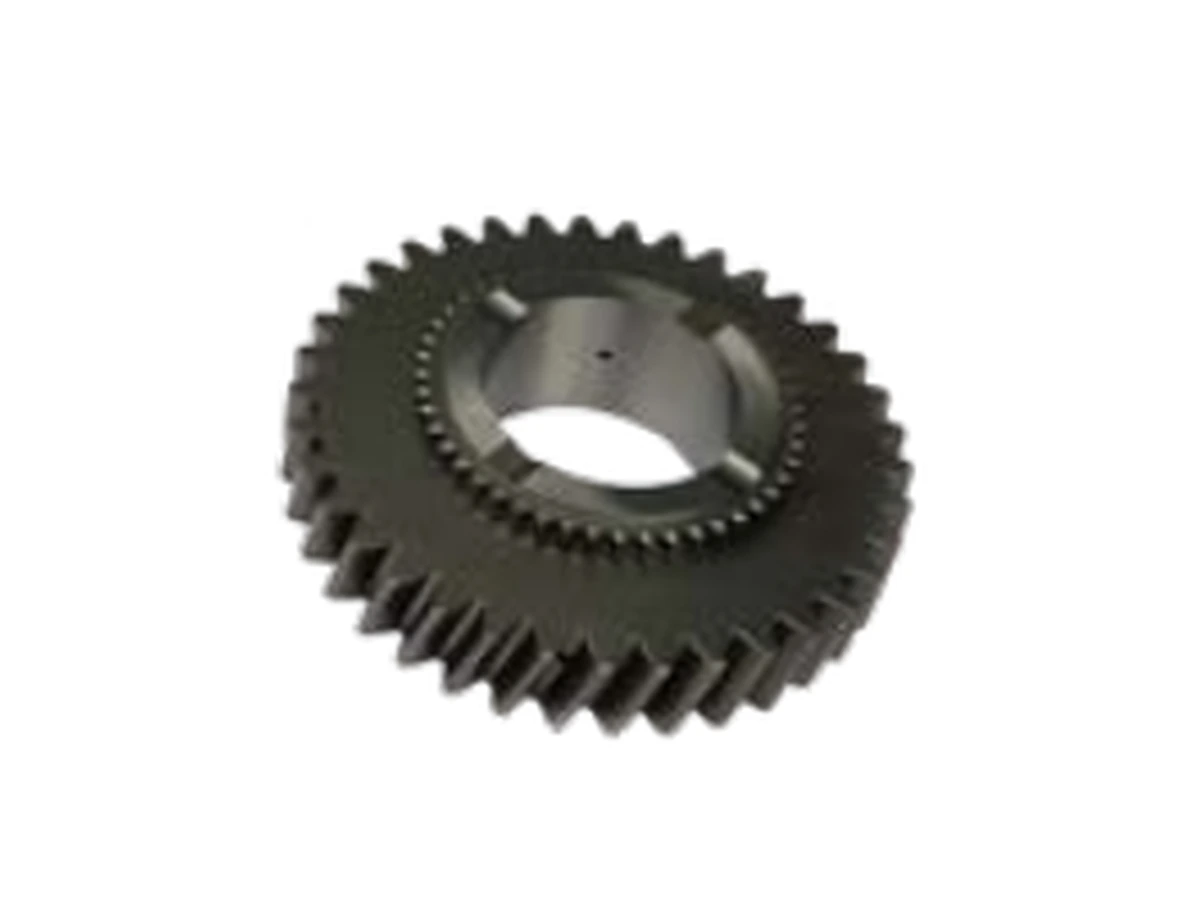
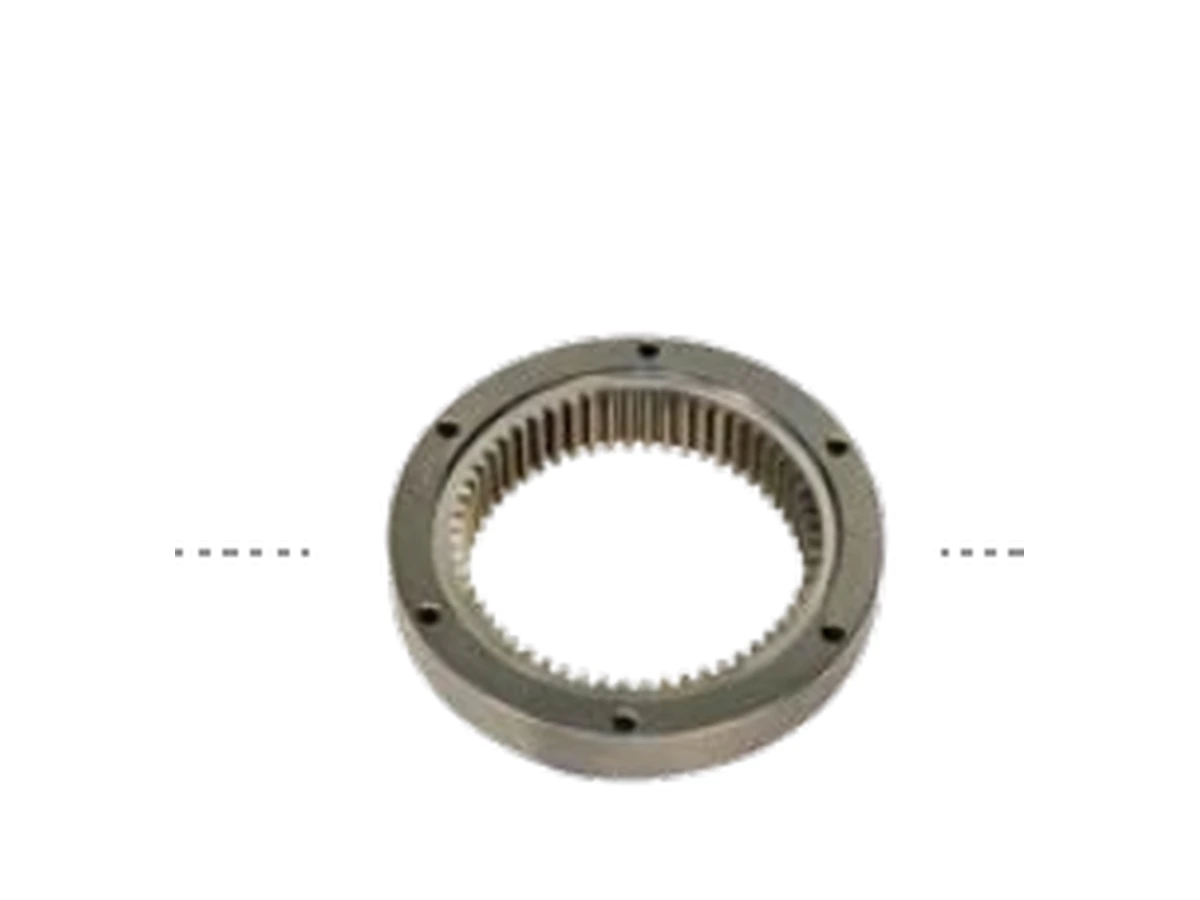
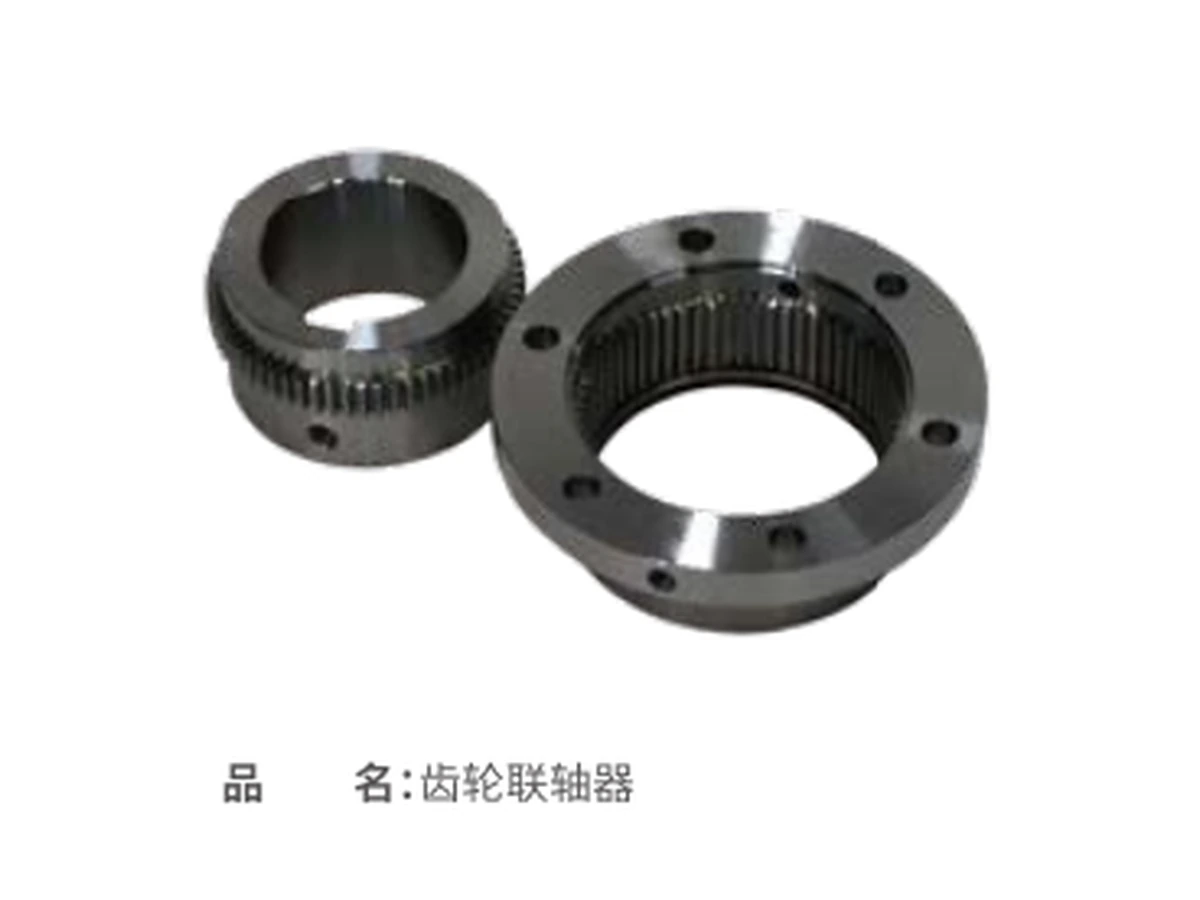
Construction & Final Drives Sun Gear Applications
Mobile final drives and swing/track planetary stages combine compact reduction with high transmitted torque and repeated shock or reversal.
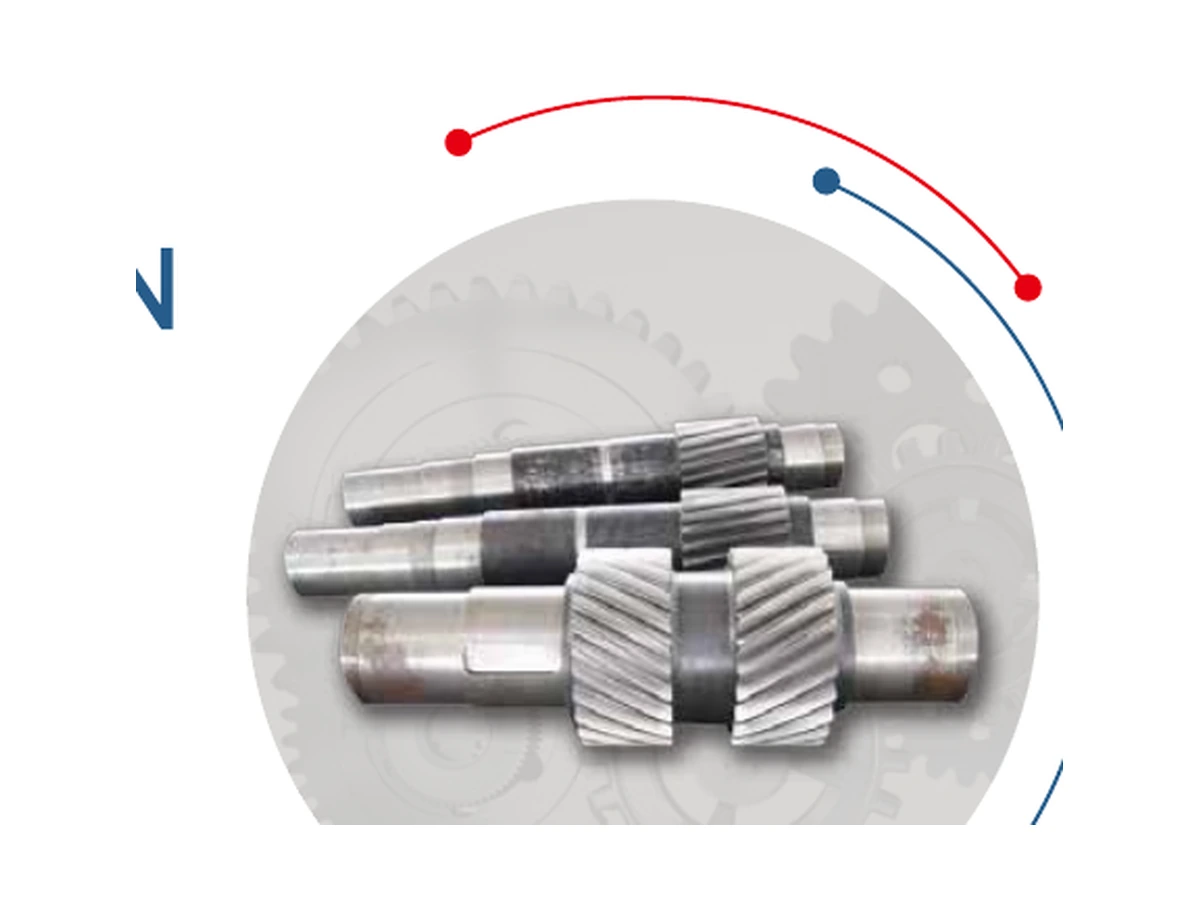
What the Sun Gear has to do in this application
The central gear can see demanding root and surface stresses. Material, case/core condition, spline interface and lubrication therefore need to be tied to the real duty rather than a generic gear grade.
The central gear must remain compatible with the planet gears and ring gear while also locating correctly on its shaft, spline or integrated journal system. That combination is why a complete drawing is preferred to a simple dimensional sketch.
Data that should accompany the drawing
| Application data | Machine application, motor torque, operating speed, shock/reversal duty, gearbox ratio, lubrication, spline data and any original part drawing. |
|---|---|
| Tooth definition | Module/DP, tooth count, pressure angle, spur/helical form and any profile modification |
| Helical data | Helix angle and hand for helical stages |
| رابطها | Bore/spline/shaft, bearing or journal datums and axial locating faces |
| مواد / درمان | Keep the approved material and heat-treatment callout; proposed changes require engineering review |
| Mating components | Planet and ring gear tooth counts/drawings, planet count and carrier relationship |
Where a replacement project can go wrong
For field replacements, wear on mating planets or ring teeth can make a new sun gear look noisy or mark badly even when the new part itself is within drawing.
Also check how the component is retained axially, how torque reaches the sun gear, and whether lubrication reaches the mesh and spline/journal interface. When the original part failed, include photographs and failure location so the new RFQ does not simply copy a damaged geometry without context.
Review the complete planetary stage when useful