Gear Racks for Laser, Plasma & Waterjet Cutting
Cutting gantries combine long travel with rapid positioning and repeated contour motion. A suitable rack drive has to balance speed, smoothness, backlash control and resistance to the contamination created by the cutting process.
What the rack drive has to do
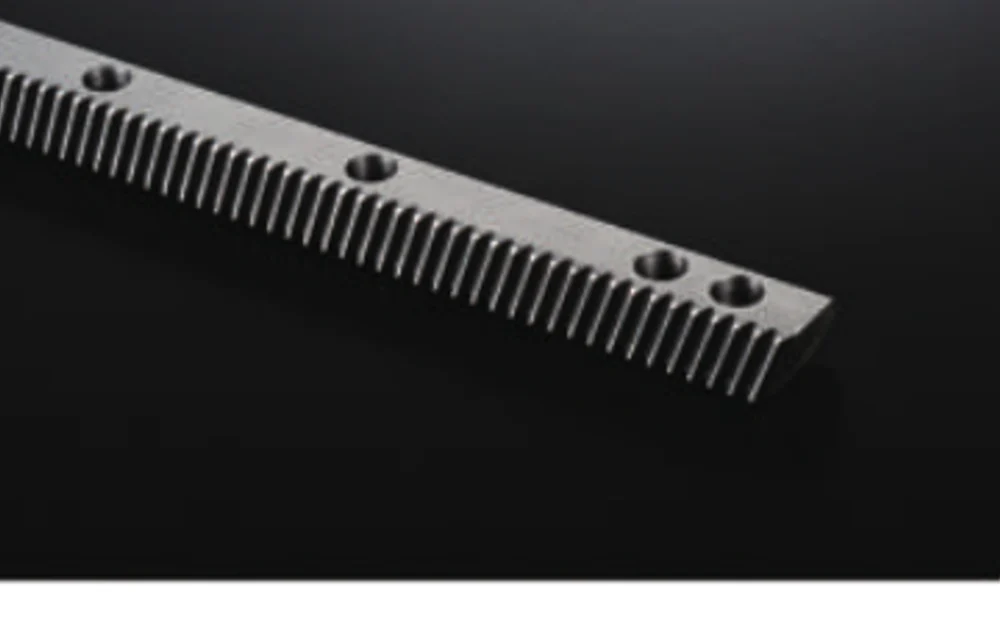
Helical and ground racks are commonly evaluated for high-speed gantries because engagement quality affects running noise and motion smoothness. A robust hardened rack may be more economical on less demanding axes. The machine envelope, controller strategy and pinion/gearbox selection decide which route is appropriate.
The application should be described as a complete axis. That means the rack tooth system, pinion, gearbox interface, mounting base and lubrication method are reviewed together instead of assuming the rack alone determines performance.
Define the machine duty before fixing the component
These inputs make the difference between a quotation based on geometry alone and one that reflects how the drive will actually be used.
| Gantry span and travel | X/Y travel, rack placement and whether the two sides of the gantry use synchronized drives. |
|---|---|
| Motion | Rapid speed, acceleration and contouring duty. |
| Process environment | Metal dust, slag, abrasive particles, water mist or coolant depending on the cutting process. |
| Positioning | Required contour accuracy, backlash allowance and calibration/compensation method. |
| Maintenance | Lubrication access, guards, wipers and rack cleaning interval. |
Products commonly evaluated for this application
The choices below are starting points, not automatic selections. Final suitability depends on the drawing and the operating data.
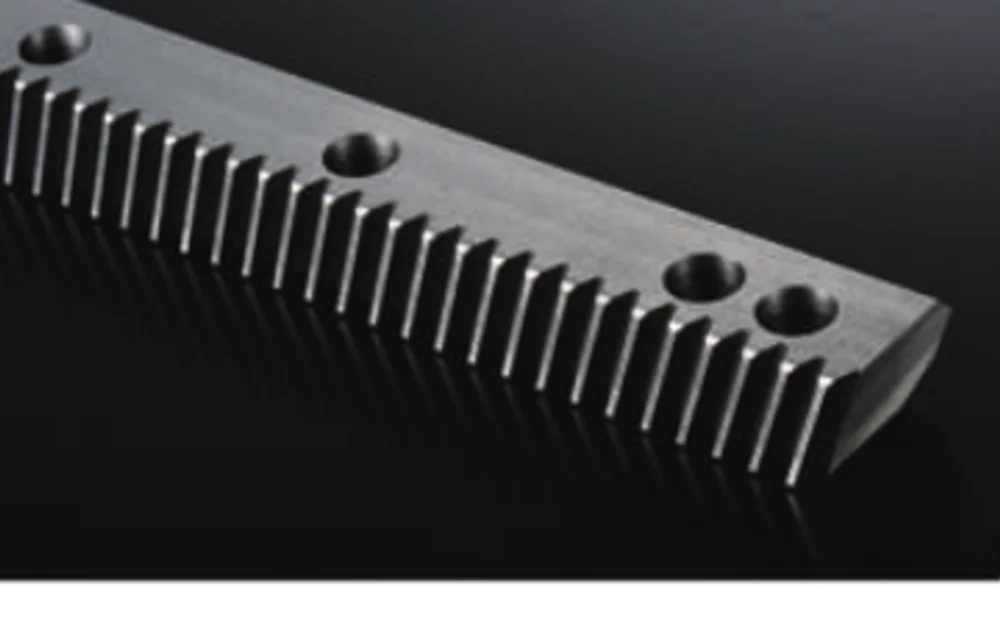
Ground Helical Gear Rack
For demanding high-speed axes where smooth running and controlled tooth accuracy matter.

Induction-Hardened Gear Rack
For wear resistance where a ground finish is not required by the machine specification.
Installation details can erase or preserve the value of a precision rack
Keep process debris out of the tooth mesh. A high-quality rack cannot run accurately if abrasive particles are repeatedly crushed between rack and pinion.
On wide gantries, rack placement and structural stiffness on both sides influence squareness and synchronization.
Lubrication should reach the complete active travel without contaminating the workpiece or process area.
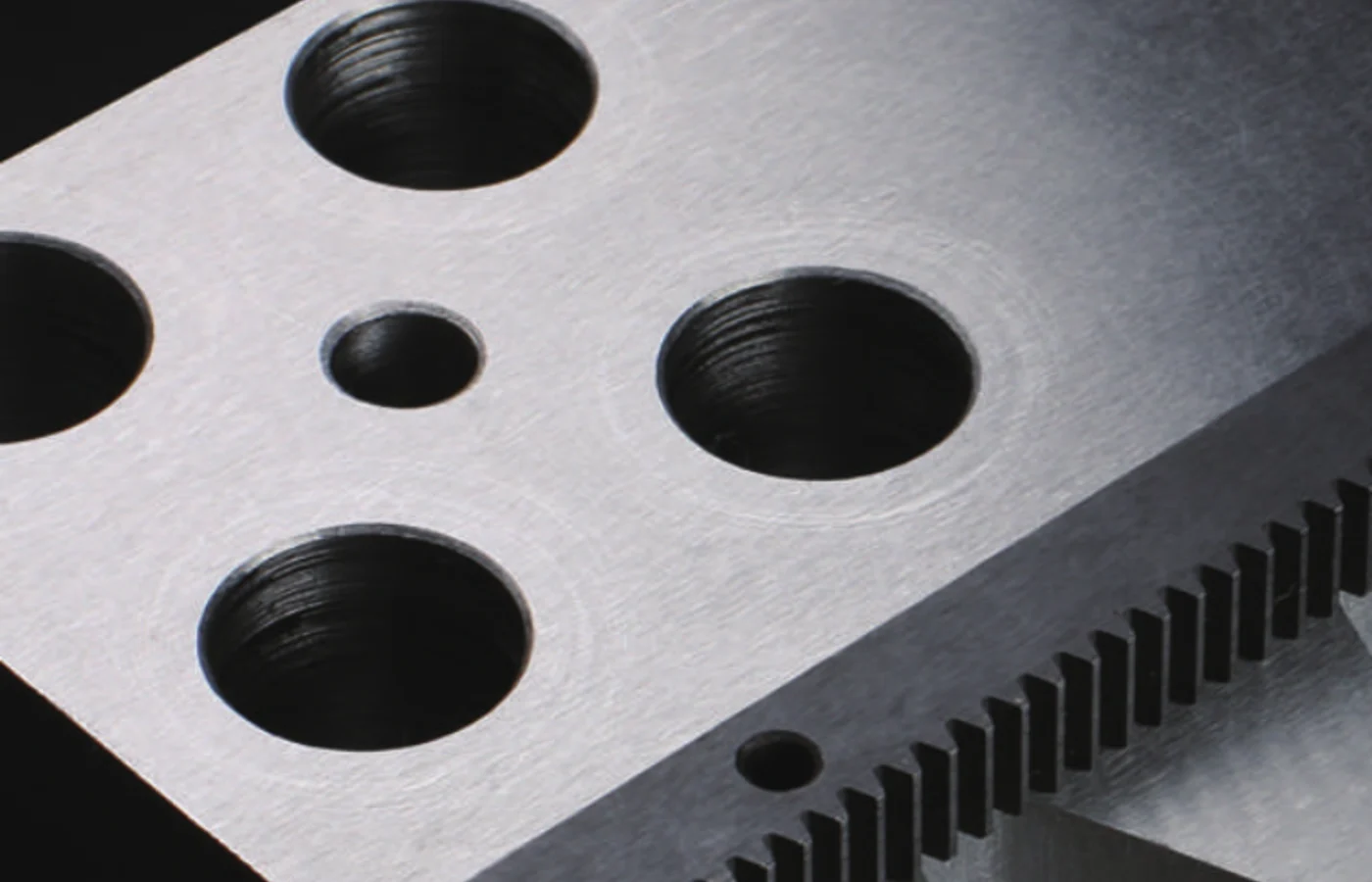
Information to send with the application enquiry
Send travel, gantry mass, cutting head/process type, maximum rapid speed, acceleration, accuracy target, rack location, gearbox/pinion information and environmental notes. For a twin-drive gantry, include both drive sides in the layout.
If some values are still open, mark them as design targets. That is more useful than inserting a guessed specification that later becomes difficult to change.
Send the details that define the part.
A useful quotation starts with the geometry and the operating context. Send the drawing, quantity and controlled requirements; for rack-driven axes, add travel, speed, acceleration, load and the mating pinion or gearbox information when available.
Ordering: MOQ is flexible by product type and order value. Suitable new-customer samples can be 1-5 pcs; mixed-model orders are supported around USD 1,500+ combined, while 1-2 pcs can be considered at a higher unit price.
Timing & terms: Standard parts are typically 10-25 working days, custom components 20-45, and project equipment 45-120. EXW, FOB, CIF and DAP are commonly available; FCA, CFR, CPT, CIP and DDP can be discussed case by case.