Gear Rack & Pinion Components for Industrial Motion
A rack-driven axis is selected from the machine duty, not from module alone. Travel, moved mass, process force, speed, acceleration, positioning, duty cycle and mounting geometry determine whether the application needs a simple milled rack or a more controlled rack-and-pinion set.
Start from the motion problem, then choose the component.
Long-travel CNC, robot seventh axes, cutting gantries, material-handling systems and heavy positioning equipment can all use rack drives, but they load the teeth and mounting structure in very different ways.
The application pages below describe the variables that matter before module, tooth form and finish are finalized. They are intended to help a buyer prepare an RFQ that contains enough information for a meaningful technical review.
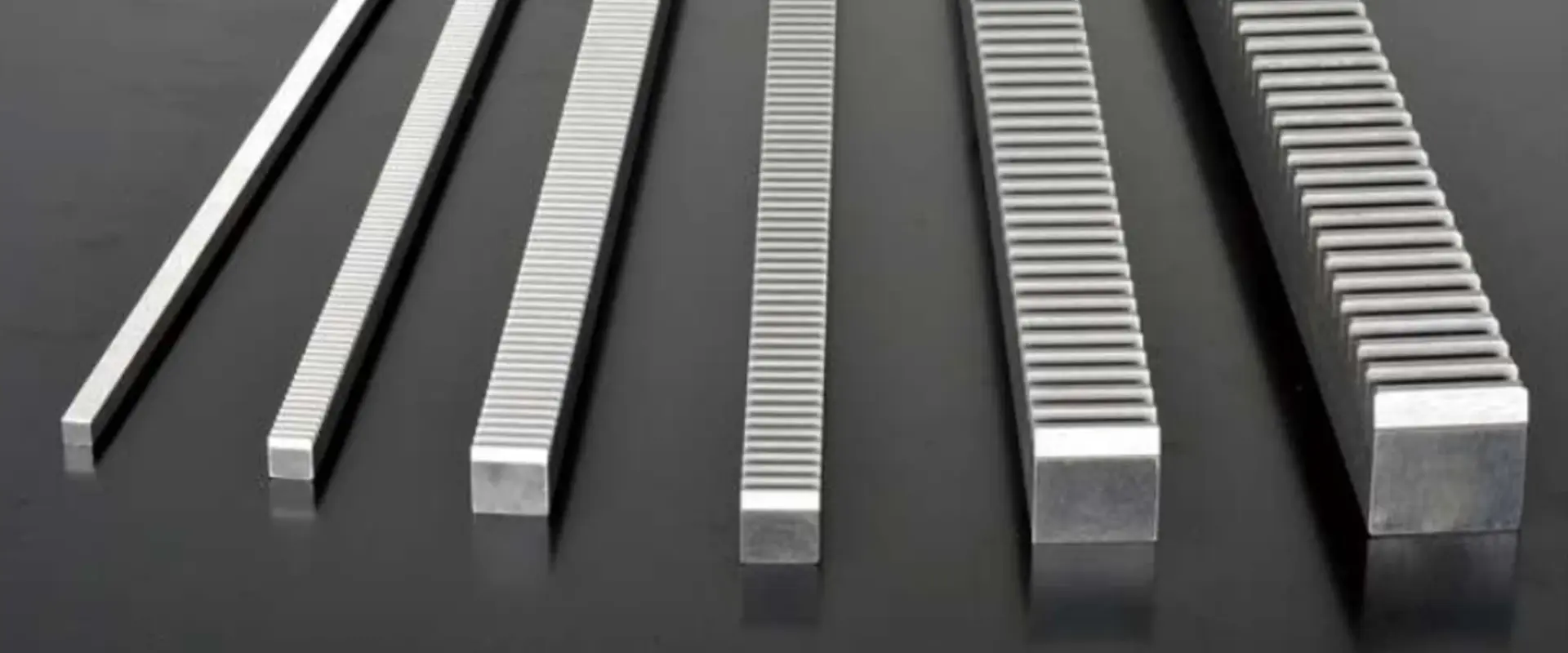
Choose the machine context closest to your project
Each application page links back to the most relevant rack, pinion and custom-machining options and explains what should be checked during integration.
CNC Machine Tools
Long-travel feed axes where alignment, smoothness and repeatability matter.
View detailsPrecision Machinery
Special machinery where tooth accuracy and controlled backlash are central.
View detailsThe same rack behaves differently when the duty changes
Use the following data as a common application brief. It is especially useful when the machine is still in the selection stage and no final rack drawing exists yet.
| Travel and axis layout | Total stroke, horizontal/vertical orientation, number of rack sections and available mounting length. |
|---|---|
| Moved load | Carriage, fixture and payload mass plus external process forces. |
| Motion profile | Maximum speed, acceleration/deceleration, reversal frequency and daily duty. |
| Positioning | Required repeatability, accuracy, allowable backlash and motion smoothness. |
| Environment | Dust, chips, coolant, washdown, temperature and access for lubrication. |
| Drive interface | Motor/gearbox type, output shaft/flange, pinion location and space for bearings or supports. |
| Service expectations | Maintenance access, lubrication method, expected operating hours and replacement strategy. |
Rack quality cannot compensate for a poor mounting base.
The mounting surface, rack-to-rack transition, pinion alignment and lubrication path all influence the final motion quality. On long axes, the joint between rack sections deserves the same attention as the tooth form itself.
For retrofit projects, also record the available envelope and the existing pinion/gearbox interface. A part that is dimensionally close but incompatible with the drive arrangement can create more work than a correctly scoped custom component.
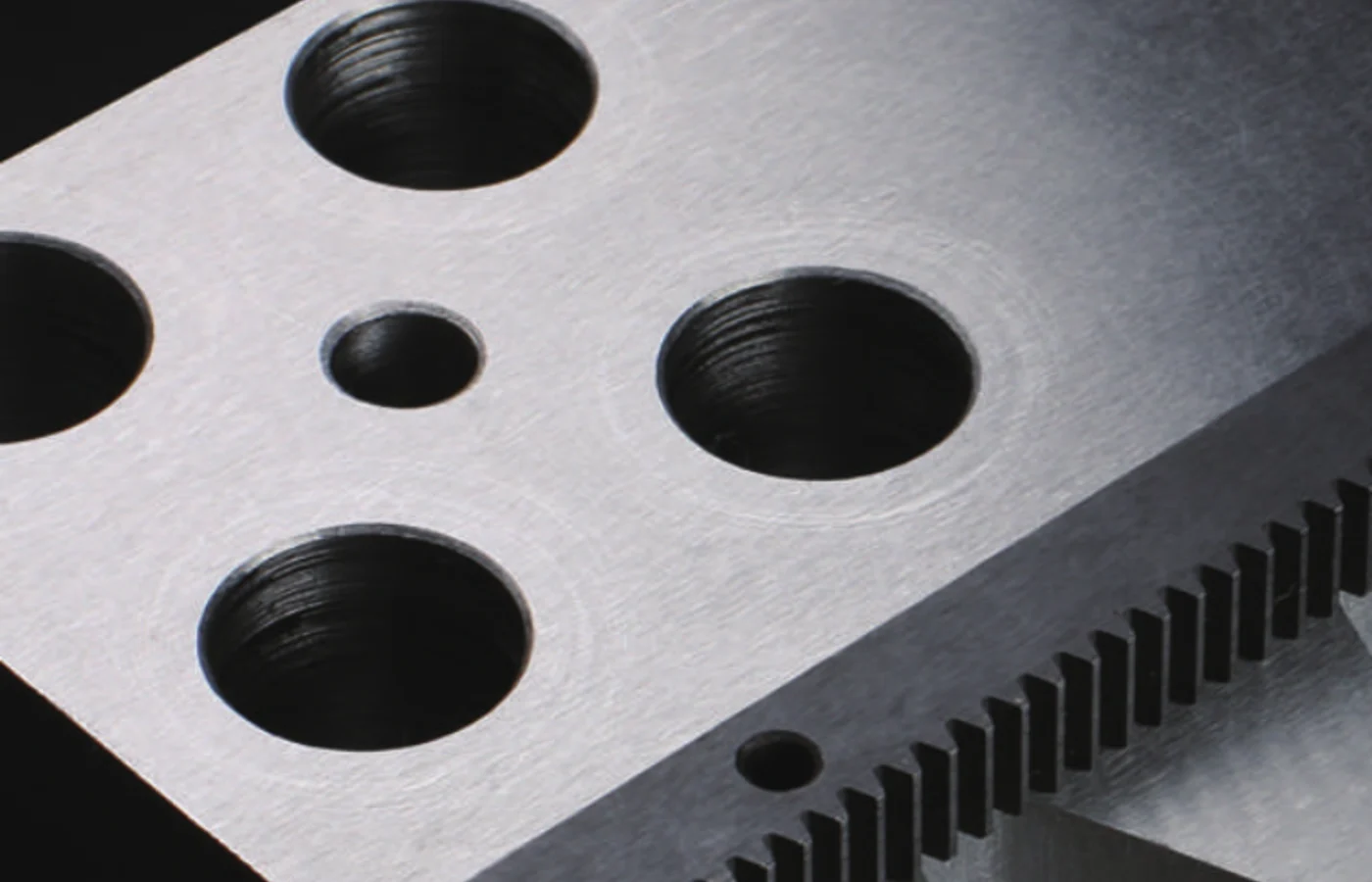
Send the details that define the part.
A useful quotation starts with the geometry and the operating context. Send the drawing, quantity and controlled requirements; for rack-driven axes, add travel, speed, acceleration, load and the mating pinion or gearbox information when available.
Ordering: MOQ is flexible by product type and order value. Suitable new-customer samples can be 1-5 pcs; mixed-model orders are supported around USD 1,500+ combined, while 1-2 pcs can be considered at a higher unit price.
Timing & terms: Standard parts are typically 10-25 working days, custom components 20-45, and project equipment 45-120. EXW, FOB, CIF and DAP are commonly available; FCA, CFR, CPT, CIP and DDP can be discussed case by case.