A useful custom Sun Gear RFQ defines three things clearly: the tooth geometry, the rotating interface and the required material/process condition. Add the mating planetary data and operating duty whenever the design is new, being modified or reverse engineered.
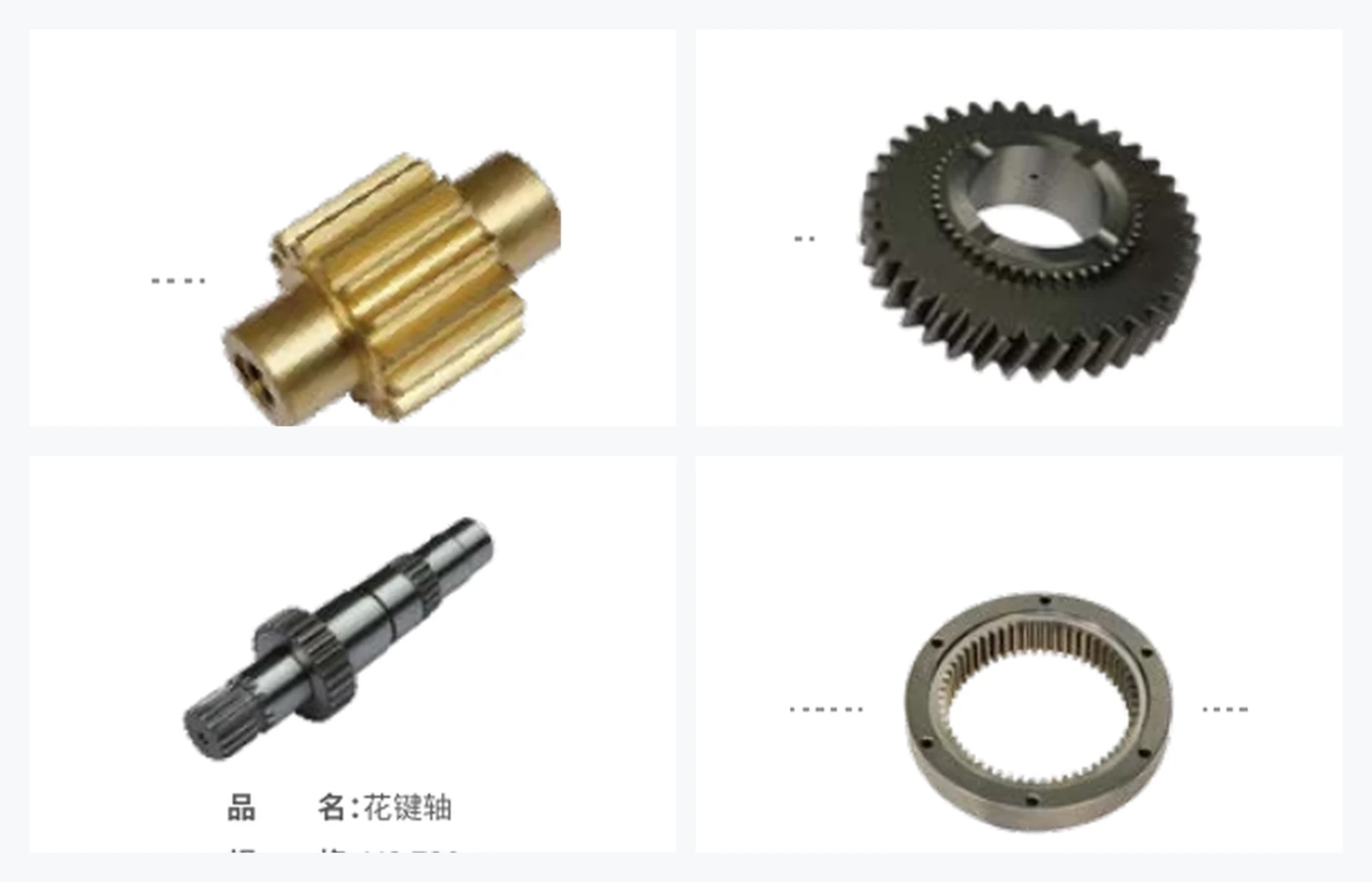
1. Define the tooth system first
State module or DP, tooth count, pressure angle, face width and whether the gear is spur or helical. For a helical gear, add helix angle and hand. If profile shift, tip relief, crowning or another modification appears on the drawing, keep it in the RFQ rather than reducing the request to nominal geometry.
If you are still designing the component, custom sun gears should be reviewed together with the planet and ring geometry so that the stage remains internally consistent.
2. Describe how torque enters the Sun Gear
An internal spline, keyed bore, external spline or integrated shaft can change both manufacturing and inspection. For splines, specify the system, tooth count, pitch/module, pressure angle, fit or tolerance class and effective length. For shafts, include journals, shoulders, threads and bearing datums.
3. Keep material and heat treatment linked
| مواد | Use the actual material designation from the approved drawing. |
|---|---|
| عملیات حرارتی | Carburizing, nitriding, induction hardening, Q&T or another route should be explicitly stated when required. |
| Hardness / case | Include surface/core hardness and effective case depth only when they are part of the design requirement. |
| پرداخت سخت | State if tooth grinding, bore/journal grinding or another post-heat-treatment operation is required. |
| Surface finish | Call out journals, seal surfaces or other functional finishes separately from gear quality. |
4. State the gear-quality and inspection requirement
Do not write “high precision” without a measurable standard. Keep the referenced ISO, DIN, AGMA, JIS or customer specification and grade exactly as issued. Add runout, profile/lead, spline gauge, hardness report or other acceptance items when they are required by the project.
5. Add planetary-stage and operating data
For a reproduction part with a complete approved drawing, system data may be mainly informational. For a redesign or reverse-engineering job, it becomes essential. Send planet and ring tooth counts, number of planets, stage ratio, torque, speed, duty cycle, reversals, lubrication and operating temperature.
6. Include quantity and production intent
A prototype of two pieces and an annual program of several thousand parts should not automatically use the same tooling strategy. State sample quantity, first production lot and expected repeat demand. This makes it possible to review process economics without changing the technical definition.