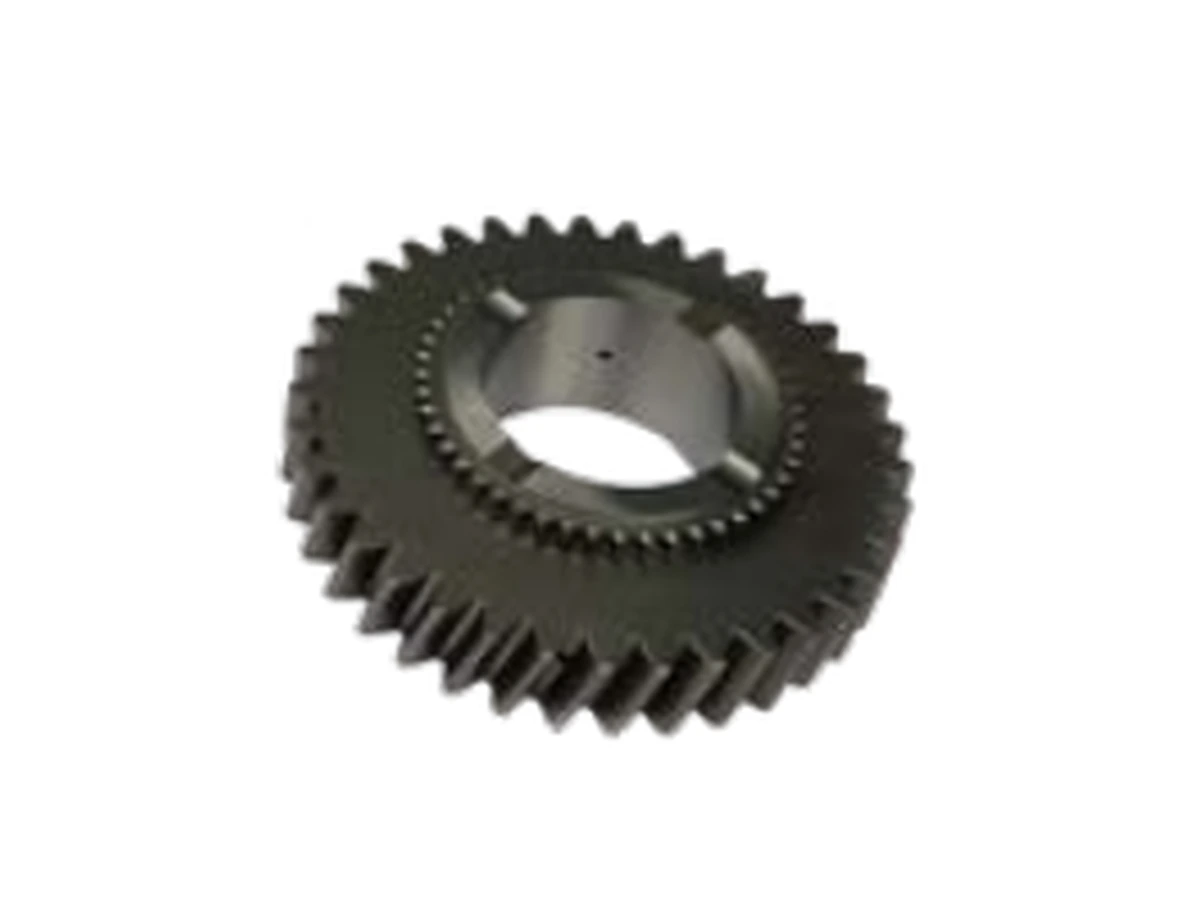
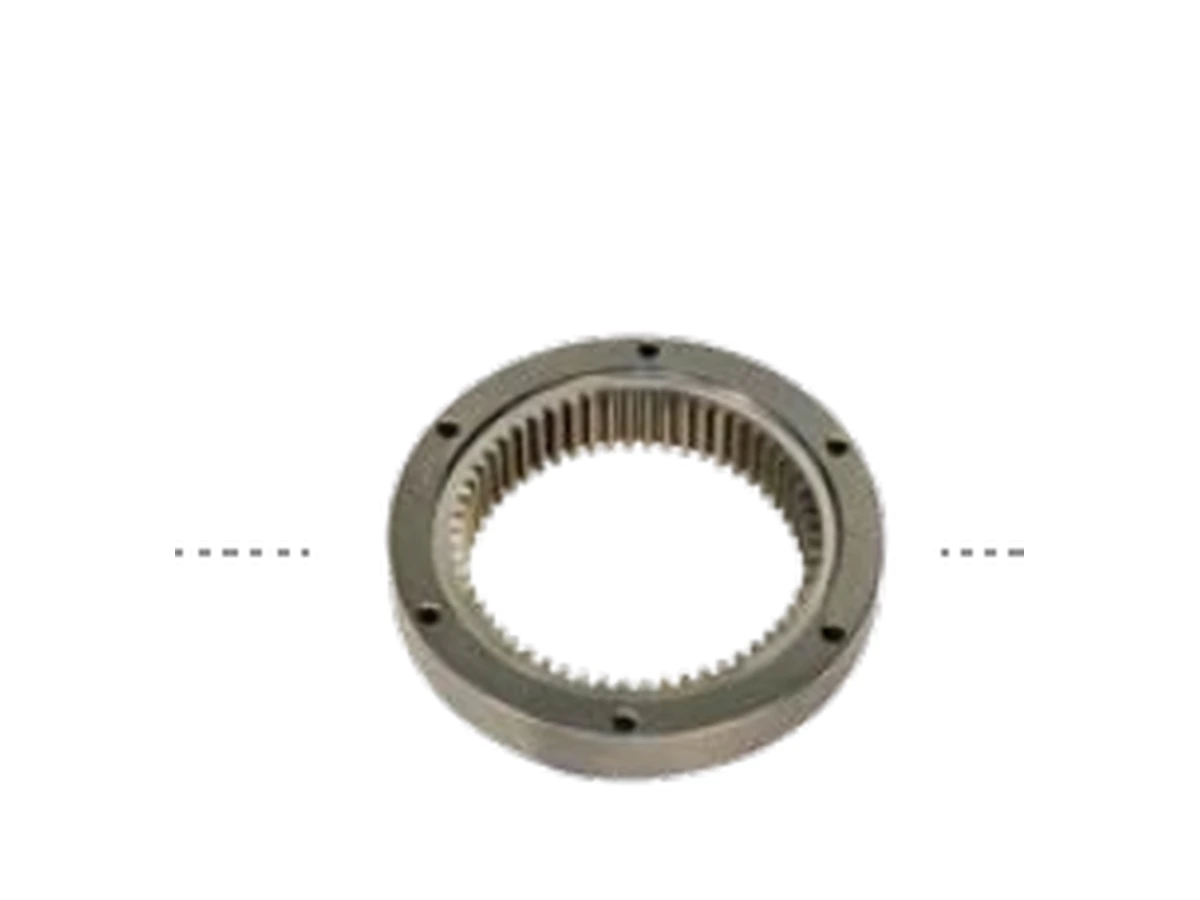
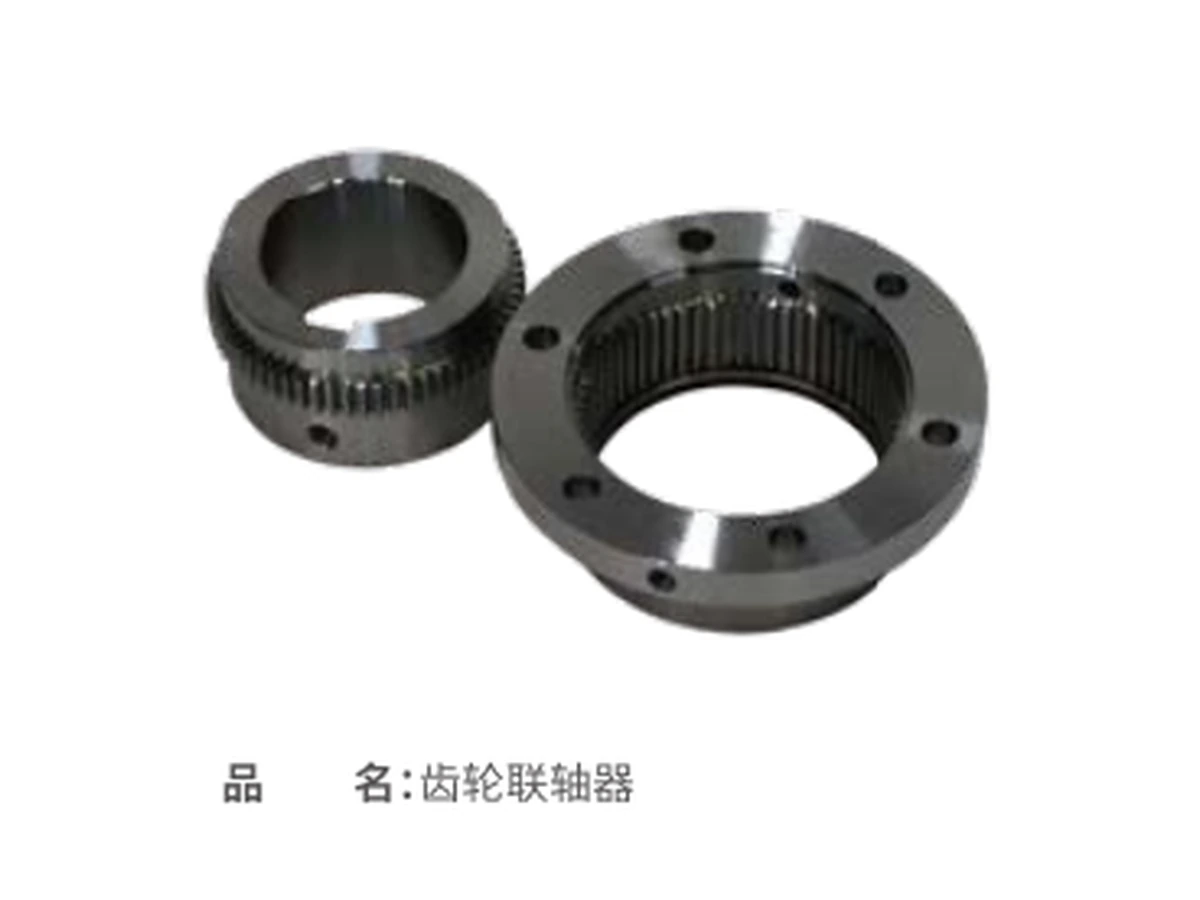
Robotics & Automation Sun Gear Applications
Compact planetary gearheads are used around servo axes, robots, indexers and automated mechanisms where a coaxial package and controlled transmission behavior are useful.
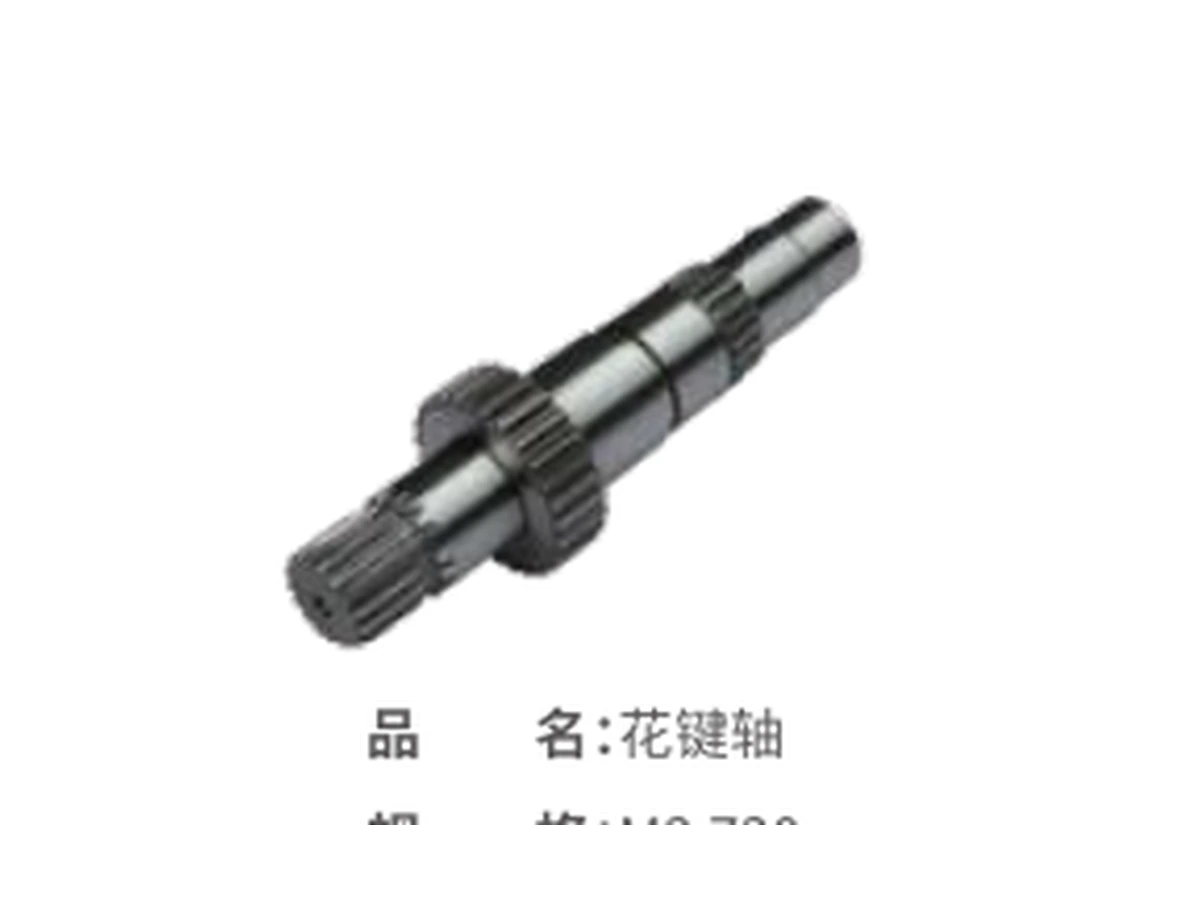
What the Sun Gear has to do in this application
Sun gears may run at the high-speed input side, so tooth accuracy, runout, shaft/spline concentricity and stable heat-treatment distortion can matter as much as static strength.
The central gear must remain compatible with the planet gears and ring gear while also locating correctly on its shaft, spline or integrated journal system. That combination is why a complete drawing is preferred to a simple dimensional sketch.
Data that should accompany the drawing
| Application data | Servo speed range, cycle profile, acceleration reversals, target backlash at gearbox level, motor interface and life requirement. |
|---|---|
| Tooth definition | Module/DP, tooth count, pressure angle, spur/helical form and any profile modification |
| Helical data | Helix angle and hand for helical stages |
| Antarmuka | Bore/spline/shaft, bearing or journal datums and axial locating faces |
| Bahan/perawatan | Keep the approved material and heat-treatment callout; proposed changes require engineering review |
| Mating components | Planet and ring gear tooth counts/drawings, planet count and carrier relationship |
Where a replacement project can go wrong
Do not assign a component-level backlash number without understanding the rest of the reducer; bearings, carrier, planets and ring gear contribute to the assembled result.
Also check how the component is retained axially, how torque reaches the sun gear, and whether lubrication reaches the mesh and spline/journal interface. When the original part failed, include photographs and failure location so the new RFQ does not simply copy a damaged geometry without context.
Review the complete planetary stage when useful