Gear Rack & Pinion Selection Guides
These articles are written around real buyer questions: when to use helical or straight teeth, when grinding is worth the cost, how long-travel rack drives compare with ball screws, and what installation details can change the performance of an otherwise good component.
Use the guides to prepare a better RFQ, not to replace the drawing
The articles explain decision variables and integration risks in plain engineering language. They do not assign a universal “best” product because the correct choice changes with load, speed, accuracy, environment and the mating drive components.
Where an article discusses typical practice, the final ordered specification should still come from the released drawing or the agreed application data.
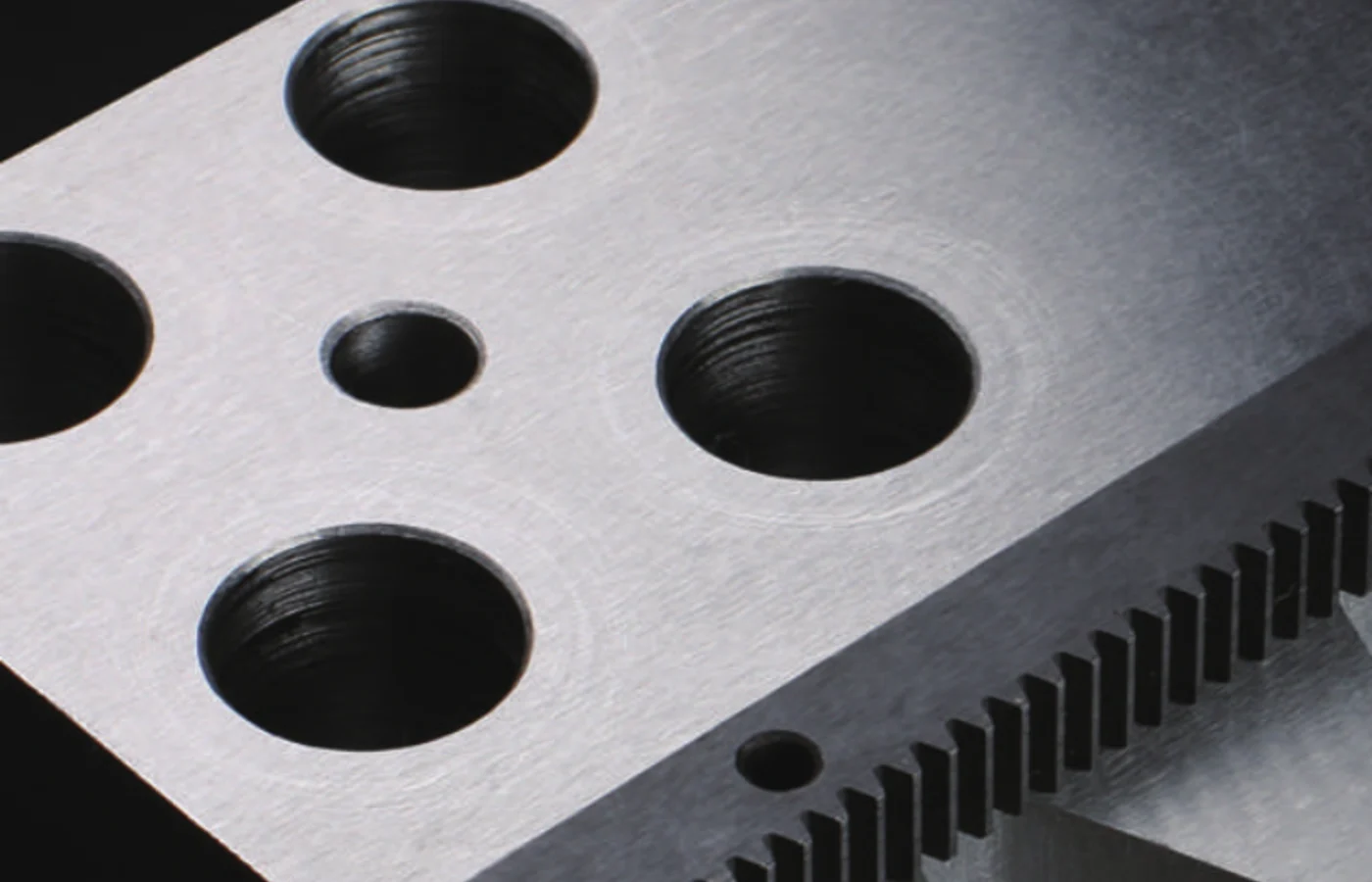
Compare, select, install and maintain
Start with the topic closest to the current decision. Each guide links back to the relevant product and application pages so the informational path returns to a practical quotation route.
Jak wybrać napęd zębatkowy
Praktyczna sekwencja danych od ruchu do specyfikacji mechanizmu zębatkowego.
Zobacz szczegółyListwy zębate śrubowe i proste
Porównaj zachowanie siatki, siłę osiową, montaż i dopasowanie do zastosowania.
Zobacz szczegółyListwy zębate szlifowane i frezowane
Wybierz metodę wykańczania zębów bez nadmiernego określania osi.
Zobacz szczegółyWhat the resource library covers
Selection content focuses on tooth form, module, accuracy, manufacturing route and long-travel drive architecture. Integration content covers rack joints, alignment, pinion engagement and lubrication.
Wyślij szczegóły definiujące część.
A useful quotation starts with the geometry and the operating context. Send the drawing, quantity and controlled requirements; for rack-driven axes, add travel, speed, acceleration, load and the mating pinion or gearbox information when available.
Zamawianie: Minimalne zamówienie (MOQ) jest elastyczne w zależności od rodzaju produktu i wartości zamówienia. Odpowiednie próbki dla nowych klientów mogą obejmować 1–5 sztuk; zamówienia mieszane są obsługiwane przy łącznej wartości około 1500 USD lub więcej, natomiast 1–2 sztuki można rozważyć po wyższej cenie jednostkowej.
Terminy i warunki: Standardowe części dostarczane są zazwyczaj w ciągu 10–25 dni roboczych, komponenty niestandardowe w ciągu 20–45 dni roboczych, a sprzęt projektowy w ciągu 45–120 dni roboczych. Standardowo dostępne są dostawy EXW, FOB, CIF i DAP; FCA, CFR, CPT, CIP i DDP mogą być negocjowane indywidualnie.