Heavy Lifting & Long-Travel Rack Drives
Heavy positioning systems place a different emphasis on the tooth set: available feed force, shock load, structural stiffness, braking and serviceability can dominate over very fine positioning accuracy.

What the rack drive has to do
Larger tooth size, greater face width, stronger material routes and hardened teeth may be considered when the duty requires them, but the correct combination has to be checked against the actual load case. A nominal module by itself is not proof of capacity.
The application should be described as a complete axis. That means the rack tooth system, pinion, gearbox interface, mounting base and lubrication method are reviewed together instead of assuming the rack alone determines performance.
Define the machine duty before fixing the component
These inputs make the difference between a quotation based on geometry alone and one that reflects how the drive will actually be used.
| Load case | Moving mass, vertical load, external process force, shock and emergency-stop conditions. |
|---|---|
| Duty | Speed, acceleration, starts per hour and continuous/ intermittent operation. |
| Drive arrangement | Single or multiple pinions, gearbox ratio, brake and shaft/bearing support. |
| Structure | Rack support spacing, base stiffness and deflection under load. |
| Service | Lubrication access, inspection interval and replacement strategy. |
Products commonly evaluated for this application
The choices below are starting points, not automatic selections. Final suitability depends on the drawing and the operating data.
Induction-Hardened Gear Rack
Wear-resistant rack option for repeated industrial motion.
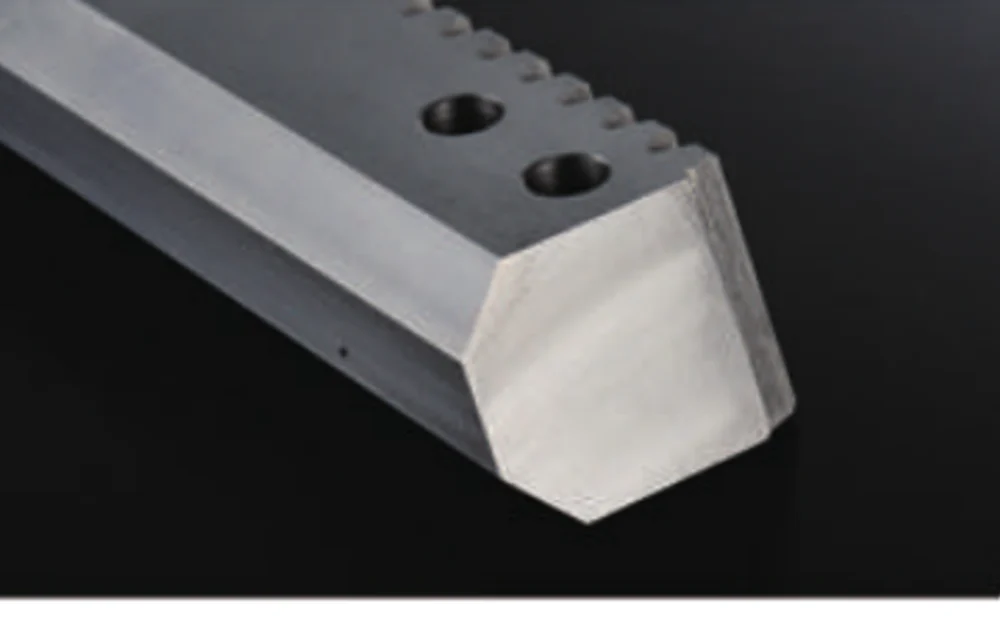
Custom Machined Gear Rack
For non-standard section sizes, holes, ends or structural interfaces.
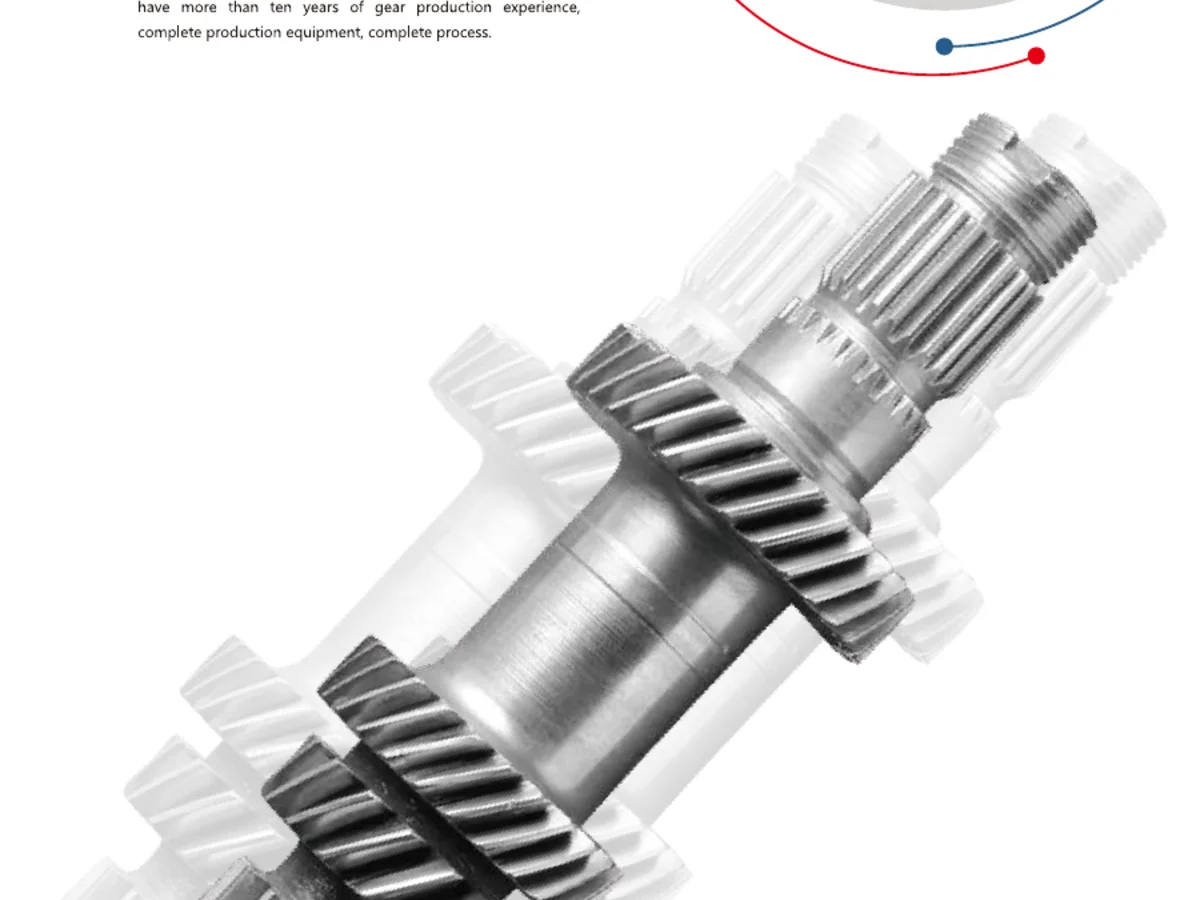
Installation details can erase or preserve the value of a precision rack
Check the mounting structure for deflection under the worst load case. Misalignment caused by frame movement can reduce contact quality even when the rack itself is accurately made.
For lifting or vertical axes, the rack is only one part of the safety chain; braking, holding and control functions remain machine-level responsibilities.
Provide access for lubrication and tooth inspection, especially on equipment where the rack is partially enclosed after commissioning.
Information to send with the application enquiry
Send the maximum operating and peak/emergency loads, axis orientation, travel, speed, acceleration, duty, gearbox ratio, brake concept, pinion dimensions and structural mounting layout. If an existing drive is being replaced, include the previous part dimensions and the reason for replacement.
If some values are still open, mark them as design targets. That is more useful than inserting a guessed specification that later becomes difficult to change.
Send the details that define the part.
A useful quotation starts with the geometry and the operating context. Send the drawing, quantity and controlled requirements; for rack-driven axes, add travel, speed, acceleration, load and the mating pinion or gearbox information when available.
Ordering: MOQ is flexible by product type and order value. Suitable new-customer samples can be 1-5 pcs; mixed-model orders are supported around USD 1,500+ combined, while 1-2 pcs can be considered at a higher unit price.
Timing & terms: Standard parts are typically 10-25 working days, custom components 20-45, and project equipment 45-120. EXW, FOB, CIF and DAP are commonly available; FCA, CFR, CPT, CIP and DDP can be discussed case by case.