Inspection for Sun Gears and Planetary Components
Inspection should prove the tooth geometry and the rotating interface work from the same functional datum strategy.
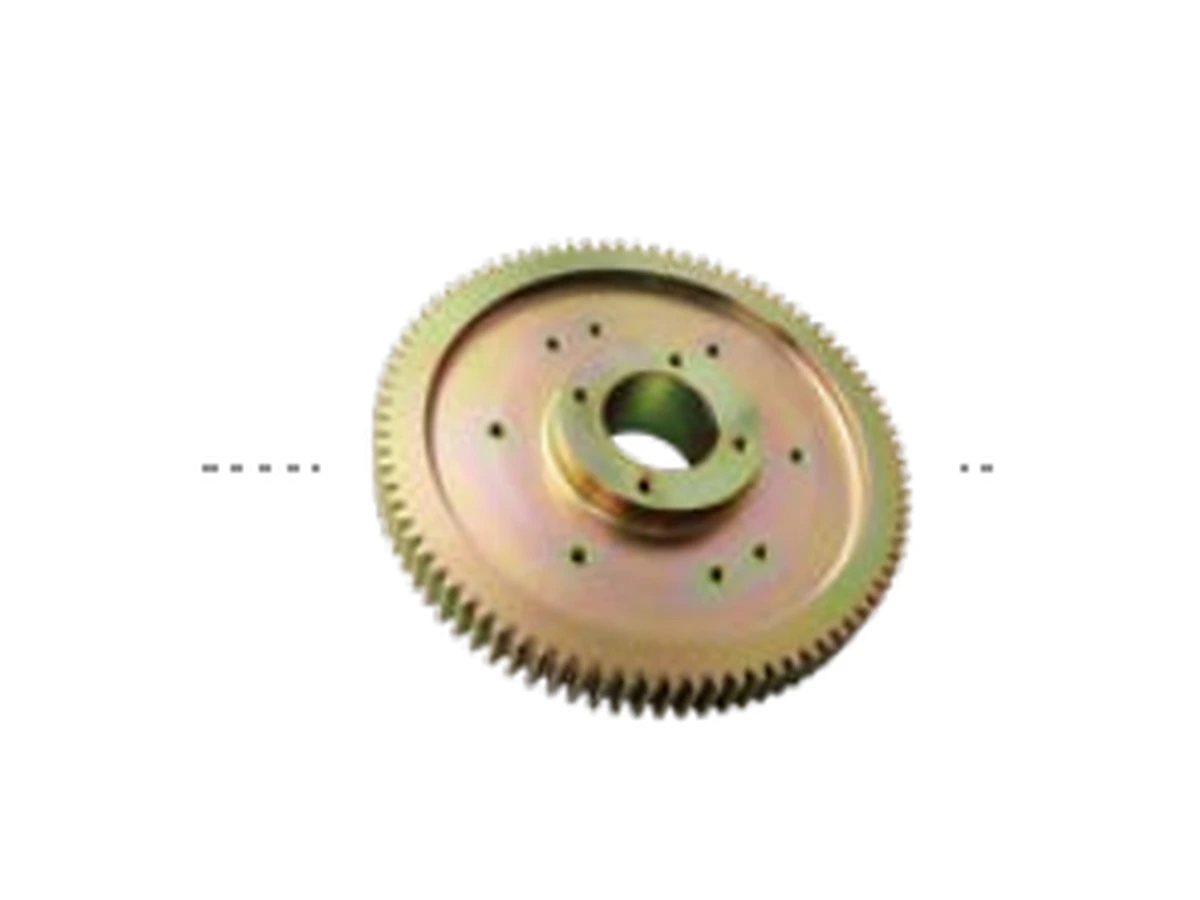
A gear-quality grade is only one part of acceptance.
The drawing may specify profile, lead, pitch or runout characteristics, but the sun gear also has to mount correctly. Bore or spline size, concentricity to the teeth, journal condition, face runout, axial dimensions and heat-treatment requirements can be equally important.
| 牙齿几何形状 | Measure the characteristics required by the drawing and its referenced gear standard |
|---|---|
| Radial relationship | Runout/concentricity between gear teeth and the bore, spline or journals as specified |
| Axial relationship | Face runout, shoulders and locating dimensions where they control assembly position |
| Spline / bore | Gauge or measured inspection appropriate to the interface specification |
| 热处理 | Hardness, case/core or treatment records as required by the purchase specification |
| Dimensional inspection | Critical dimensions and tolerances from the released drawing |
| Documentation | Inspection reports or certificates can be discussed according to project requirement |
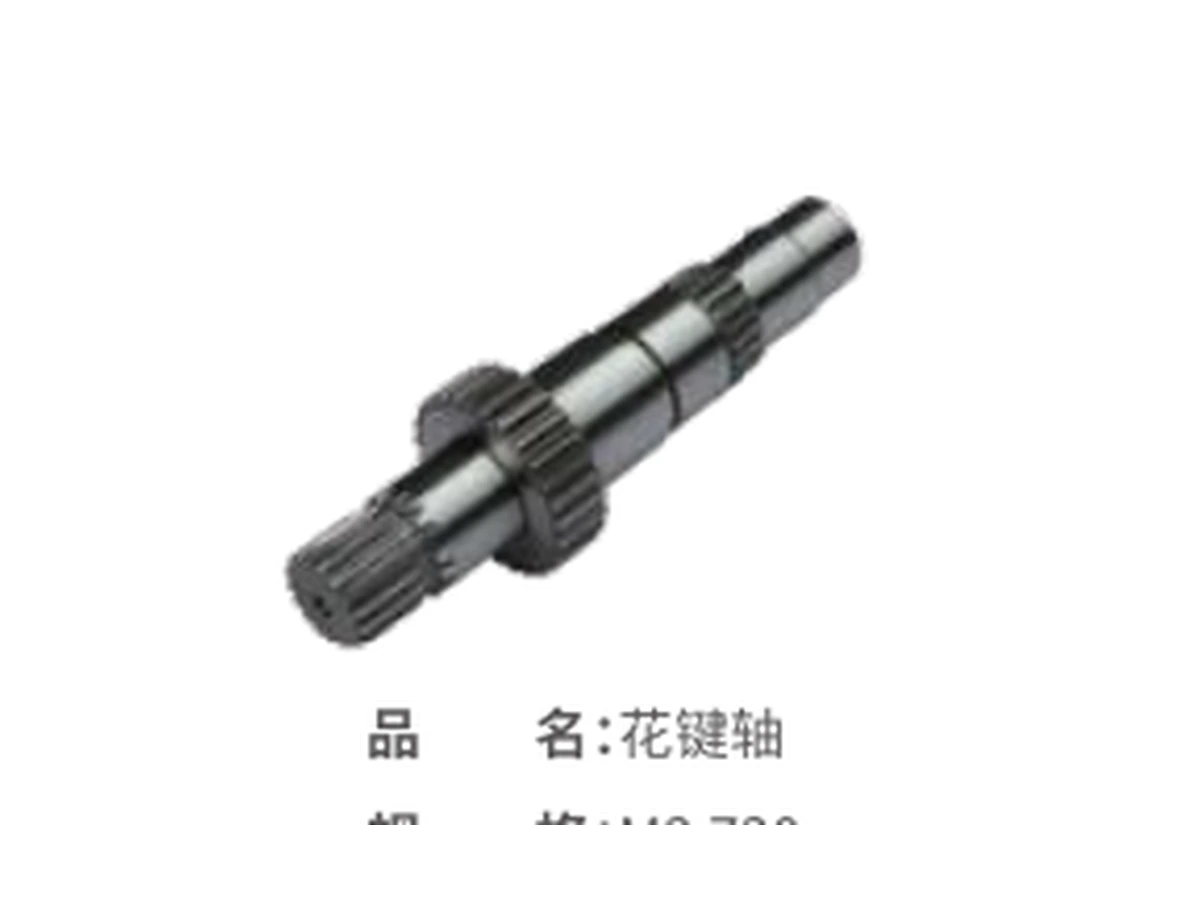
Gear teeth do not run independently from the shaft.
An integrated sun gear shaft may have bearing journals, a spline and tooth flanks that all reference the same rotating axis. If those features are inspected independently without preserving their relationship, an individually “good” measurement can still assemble poorly.
For replacement parts, keep the original datum scheme on the recreated drawing wherever possible instead of creating new convenient datums that are easier to measure but unrelated to function.
Keep the customer’s standard and grade designation intact.
Gear drawings may reference ISO, DIN, AGMA, JIS or customer-specific specifications. Grade numbers should not be converted by casual numerical equivalence because the systems can define different parameters and historical editions. Quote and inspect against the standard that is actually called out, or agree any conversion before order release.