A precise rack can still run poorly if the mounting face, rack-to-rack transition or pinion engagement is wrong. Treat installation as part of the drive system: prepare the base, align sections, set the mesh, check contact and keep the teeth lubricated.
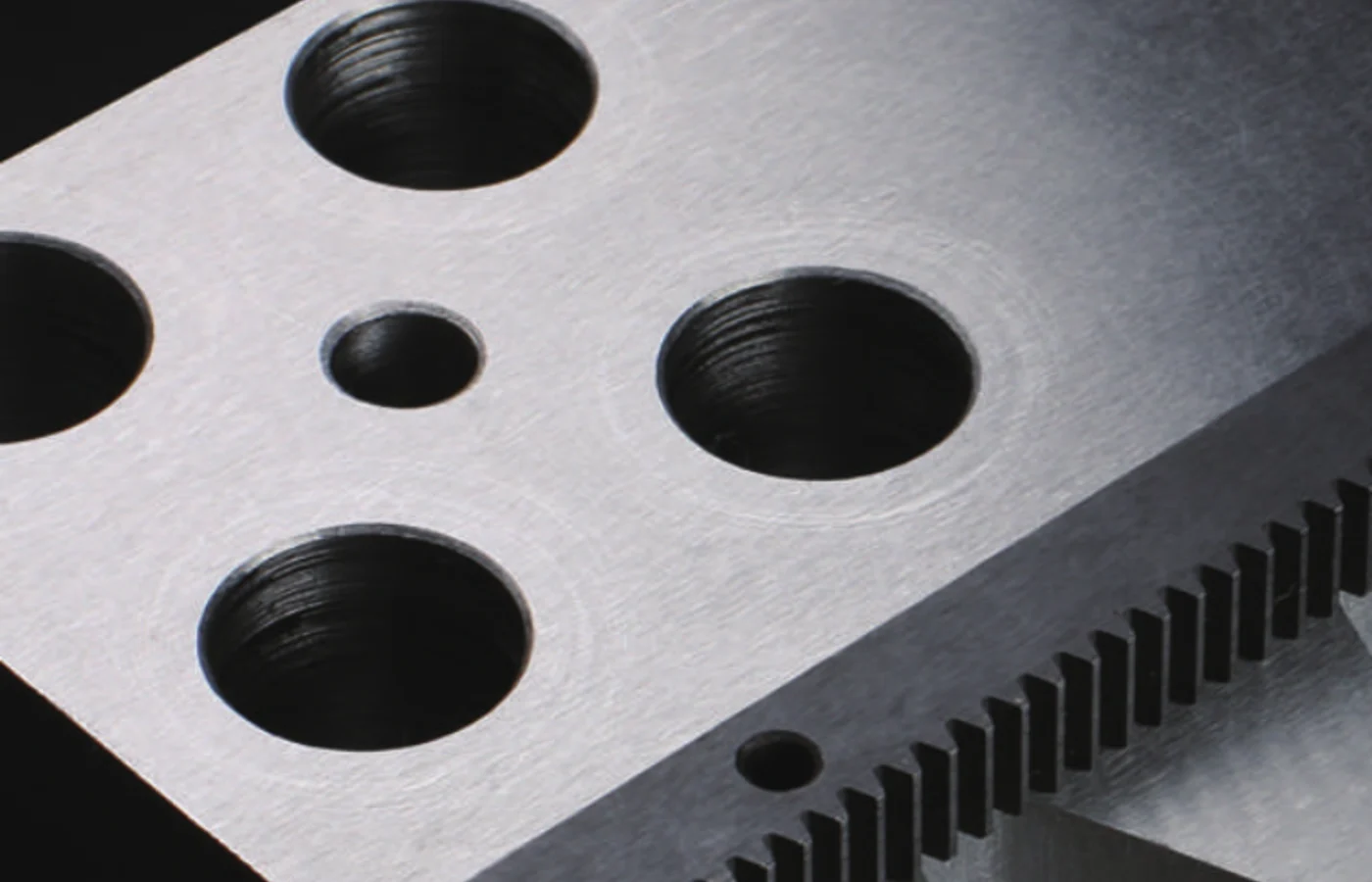
Prepare the mounting base before opening the rack package
Clean the mounting surface and confirm that the datum/stop surface is continuous and free of burrs or paint build-up that would tilt a rack section. On long axes, measure the relationship between the rack mounting face and the guideway rather than assuming the machine casting or fabrication is straight enough.
Protect finished rack surfaces from chips and impact during assembly. A small raised burr under the rack can change engagement over a surprisingly long distance.
Install the first section as the reference
Position the first rack against the intended datum and tighten it progressively rather than pulling one end down completely before the rest. The goal is to establish a stable reference section that later racks can follow.
Control the joint between rack sections
When multiple sections form one axis, use the intended joining gauge, mating pinion or other approved reference to preserve pitch continuity at the joint. The pinion should be able to cross the transition without a sudden change in running resistance or backlash.
| Mounting surface | Clean, burr-free, adequately straight and referenced to the machine guide system. |
|---|---|
| Rack joint | Pitch transition checked with the specified gauge/reference before final tightening/pinning. |
| Pinion engagement | Set to the intended center distance/backlash; avoid forcing the pinion into the rack. |
| Fasteners | Tighten using the machine/rack design sequence and specified torque values. |
| Dowel/pinning | Use only where the design calls for it and after alignment is confirmed. |
| Lubrication | Apply the specified lubricant before running the axis at normal speed/load. |
Check the contact before full-speed operation
Move the axis slowly through the full travel and listen/feel for local changes. Recheck rack joints, pinion alignment and the relationship between the rack and guideway. On a dual-drive gantry, verify both sides instead of assuming one correctly aligned side guarantees the other.
After the first operating period, inspect the tooth contact and fasteners according to the machine maintenance plan. Early observation can reveal a mounting issue before it becomes a wear pattern.
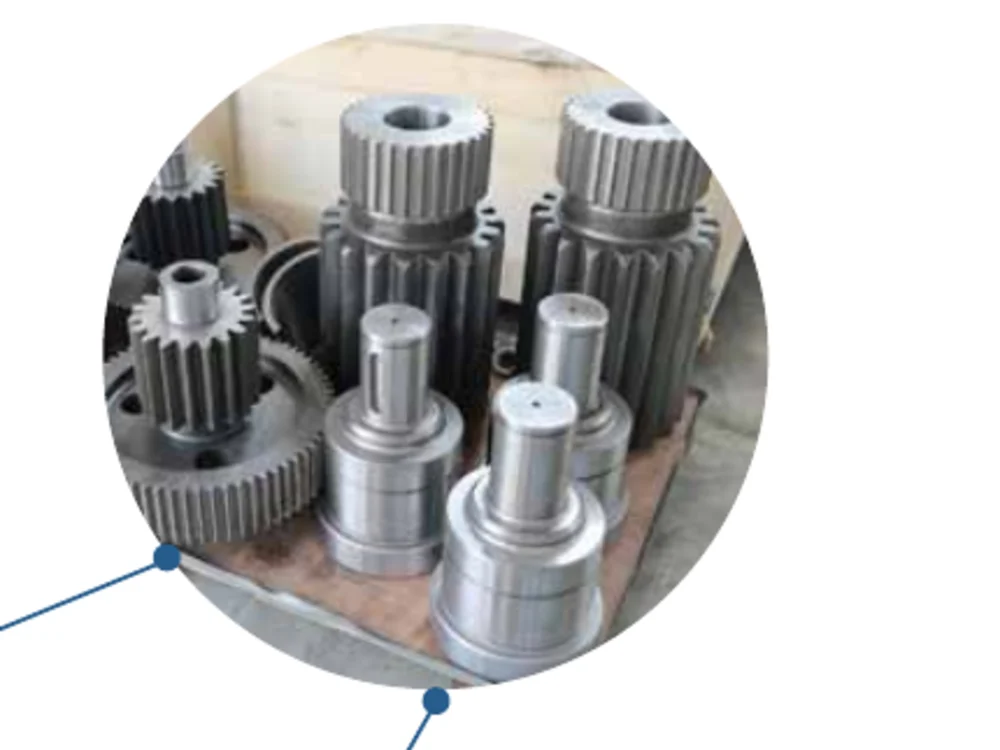
Lubrication is an operating system, not a one-time assembly step
The lubricant type, delivery method and interval should match the environment and machine duty. Keep abrasive particles out of the mesh and make sure automatic lubrication reaches the working travel. Excess lubricant that traps debris can be as undesirable as a dry rack in a contaminated environment.
When replacing one rack section
Confirm the tooth system and the relationship to the adjacent sections before removal. The replacement section still has to preserve the pitch path and mounting datum. If the original machine uses a matched or specially adjusted set, replacement should be reviewed as a system rather than as an isolated piece of steel with teeth.
Send the details that define the part.
A useful quotation starts with the geometry and the operating context. Send the drawing, quantity and controlled requirements; for rack-driven axes, add travel, speed, acceleration, load and the mating pinion or gearbox information when available.
Ordering: MOQ is flexible by product type and order value. Suitable new-customer samples can be 1-5 pcs; mixed-model orders are supported around USD 1,500+ combined, while 1-2 pcs can be considered at a higher unit price.
Timing & terms: Standard parts are typically 10-25 working days, custom components 20-45, and project equipment 45-120. EXW, FOB, CIF and DAP are commonly available; FCA, CFR, CPT, CIP and DDP can be discussed case by case.