Gear Racks, Pinions & Custom Precision Gears
Use the catalogue in two ways. If a drawing already defines the component, start with the closest product family and send the controlled dimensions. If the drive is still being selected, begin with the machine duty and let module, tooth form, finish and pinion geometry follow from the application.
Three product groups cover most enquiries.
The catalogue is intentionally organized by buyer task rather than by a long list of proprietary model codes. Gear racks cover linear motion. Pinions and pinion shafts complete the rack drive. Custom gears support gearboxes, indexing mechanisms and special machinery where the drawing owns the geometry.
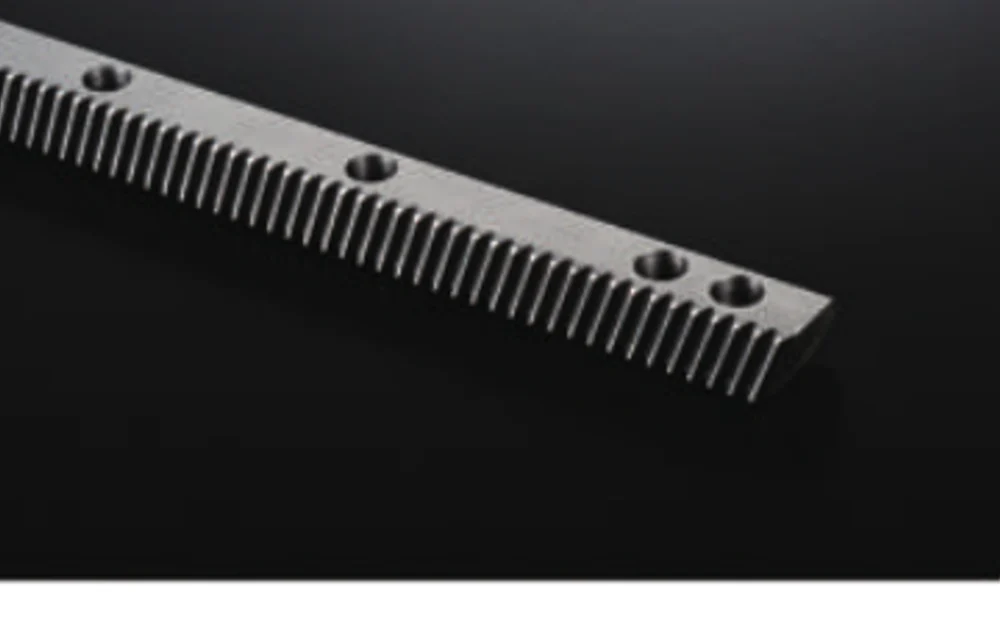
Cremalheiras de Engrenagens Helicoidais de Precisão
Cremalheiras de funcionamento suave para eixos CNC, de corte e de automação.
Ver detalhes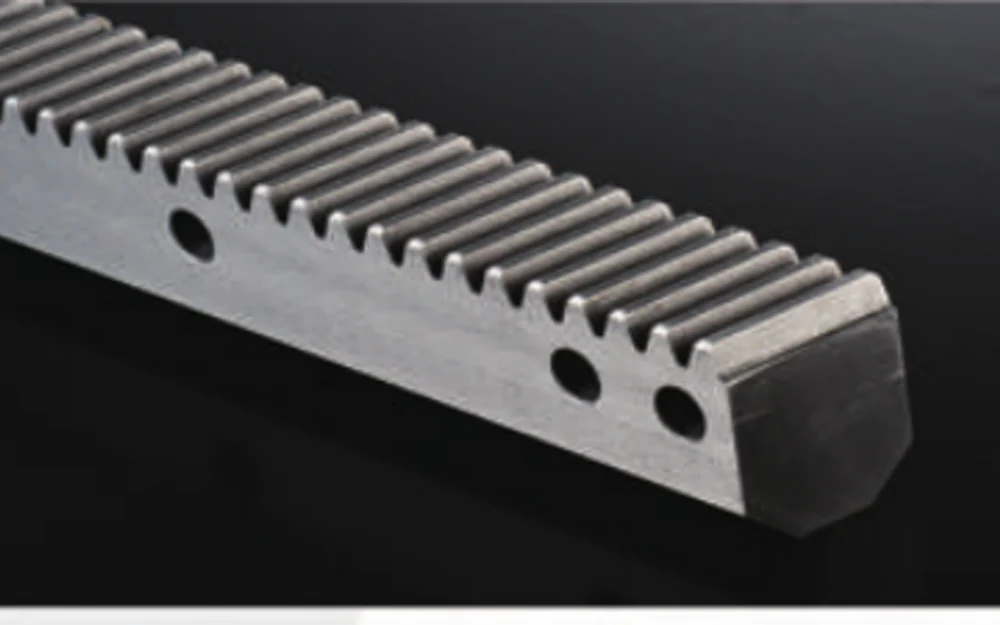
Cremalheiras de engrenagem retas de precisão
Cremalheiras de dentes retos com comprimento, furos e acabamento definidos por desenho técnico.
Ver detalhes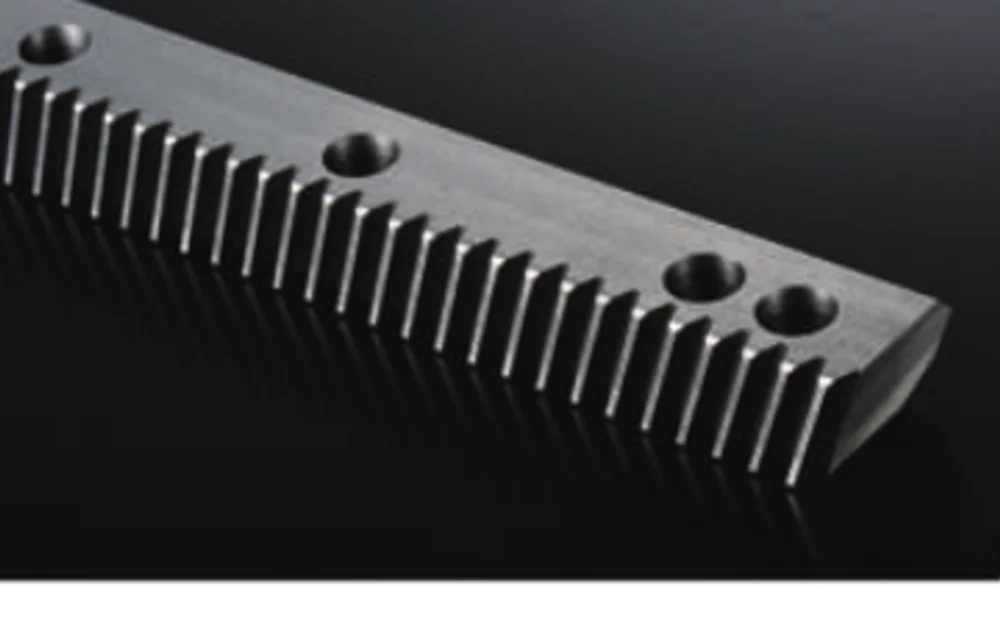
Racks de equipamentos de solo
Configurações de dentes retificados para requisitos de movimento e posicionamento mais precisos.
Ver detalhes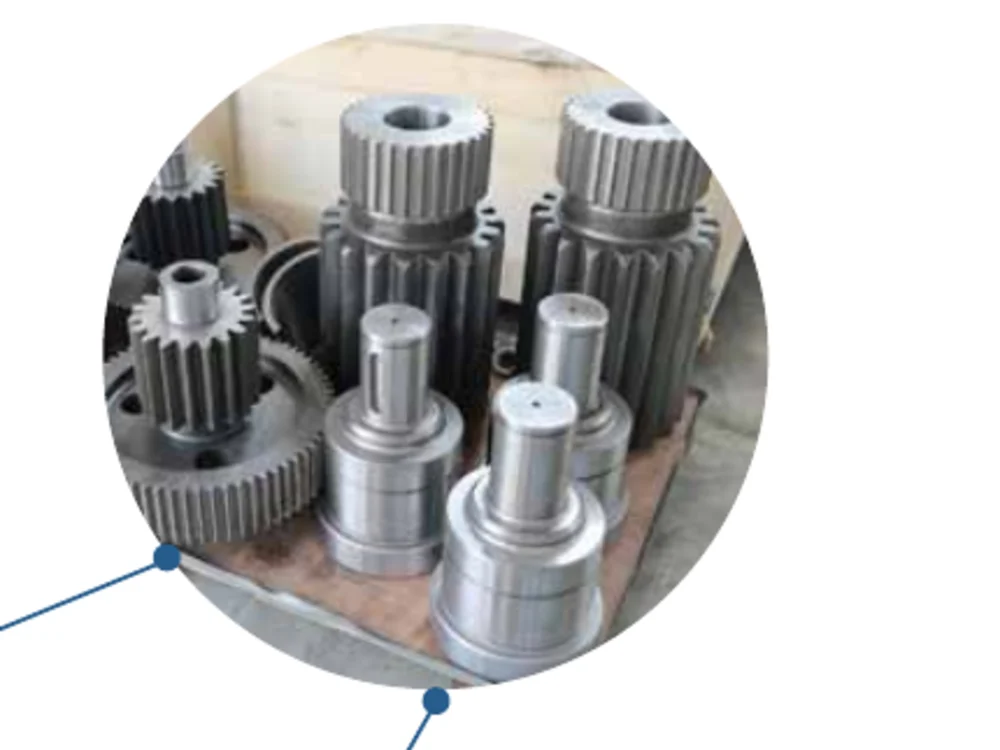
Pinhões e Eixos de Pinhões
Engrenagens, eixos e interfaces do lado da caixa de engrenagens para acionamentos por cremalheira.
Ver detalhes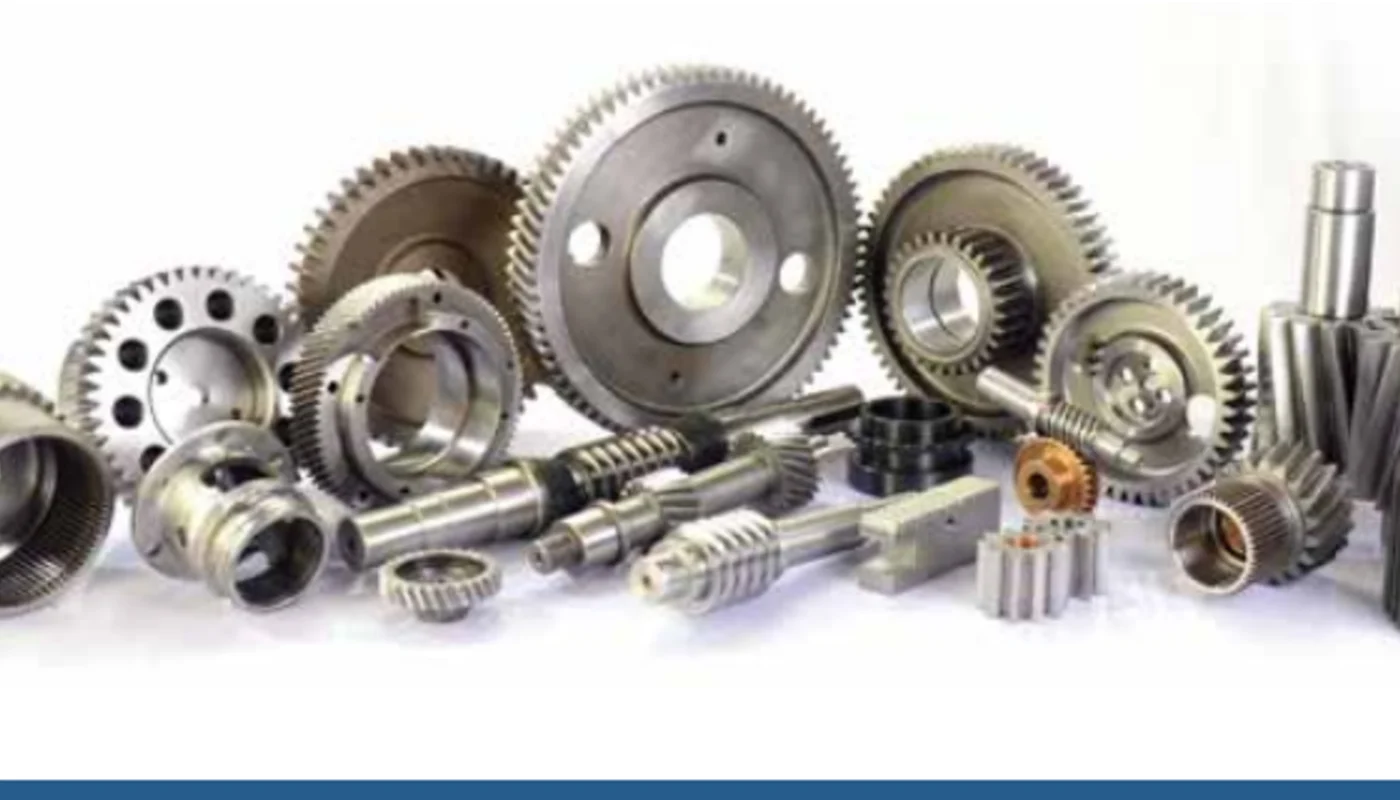
Engrenagens cilíndricas de dentes retos e helicoidais
Engrenagens externas personalizadas, produzidas conforme desenho técnico, para mecanismos industriais.
Ver detalhes
Engrenagens cônicas e internas
Componentes de engrenagens cônicas e internas, baseados em desenhos técnicos, para máquinas especiais.
Ver detalhesChoose the tooth form and finishing route around the axis.
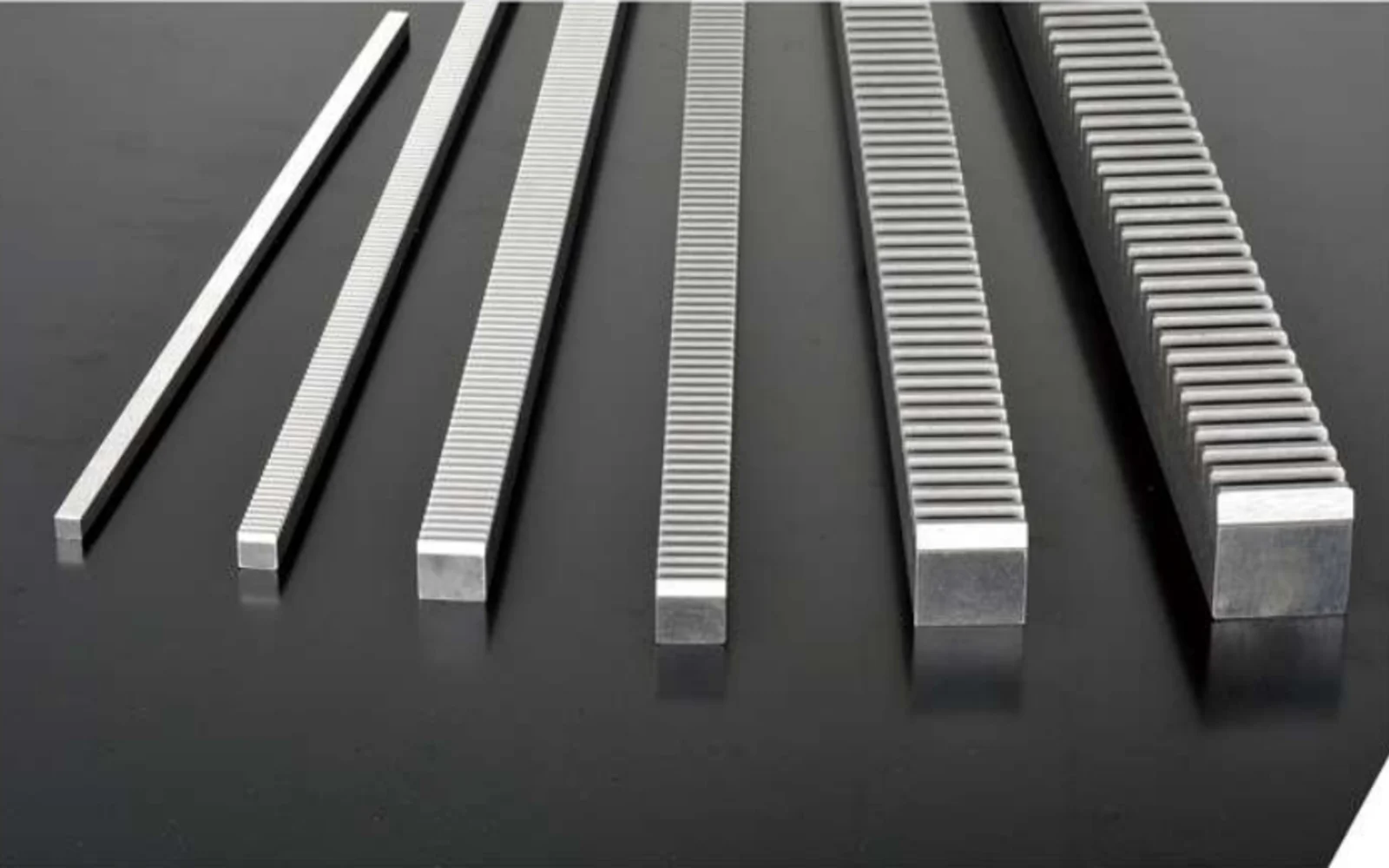
Straight and helical racks are available in drawing-based configurations, including milled, induction-hardened and ground-tooth routes where the specification requires them. Length, hole pattern, end machining and mounting datums are treated as part of the component, not as afterthoughts.
For long axes, quote the rack together with the intended pinion or at least provide the pinion tooth data. Joined sections, pitch transition, backlash and the mounting base affect how a rack performs after installation.
Pinion geometry has to match the rack and the gearbox interface.
A rack is only half of the mesh. Bore, keyway, spline, shaft or flange geometry on the pinion should fit the real drive arrangement while module, pressure angle, helix angle and hand remain compatible with the rack.
Where positioning or high reversal duty matters, include the gearbox output, bearing arrangement and desired backlash in the enquiry. That information helps avoid a mechanically correct pinion that is awkward to integrate.
Use the drawing as the technical contract.
Custom gears are quoted from tooth data, bores and hubs, material and heat treatment, inspection requirements and quantity. Spur, helical, bevel and internal gears often need different manufacturing routes, so one generic “gear tolerance” statement is not enough.
When a mating gear controls contact or backlash, send both gears together. For replacement work, include the old part drawing, measurements or photos only as identification support; final manufacturing dimensions should be confirmed before production.
What to decide before choosing a product page
These are the variables that usually change the manufacturing route, price and suitability. Unknown values can stay open, but they should be identified as open rather than guessed.
| Tooth system | Metric module, diametral pitch or circular pitch; pressure angle and helix details where relevant. |
|---|---|
| Motion or duty | Travel, speed, acceleration, load, reversal frequency and required positioning quality for rack-driven axes. |
| Material | Drawing grade or a performance requirement that allows an equivalent material route to be proposed. |
| Heat treatment | Through hardening, induction hardening, carburizing or other drawing-controlled treatment when required. |
| Finish and accuracy | Milled, ground or another specified finishing route; include the applicable gear-quality or dimensional tolerances. |
| Machining interfaces | Holes, countersinks, ends, bores, keyways, splines, shoulders, shafts and the datum scheme used for inspection. |
| Quantity | Prototype quantity, first production batch and expected annual demand when available. |
Browse all current product entries
Each product page includes a responsive specification table, configuration guidance, integration notes and the RFQ information needed to quote the part. Values that depend on the drawing are stated as project-specific instead of being filled with assumed data.
-
Precision Helical Gear Rack
Read more -

Precision Straight Gear Rack
Read more -
Ground Helical Gear Rack
Read more -
Ground Straight Gear Rack
Read more -
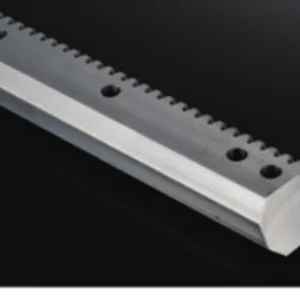
Induction-Hardened Gear Rack
Read more -
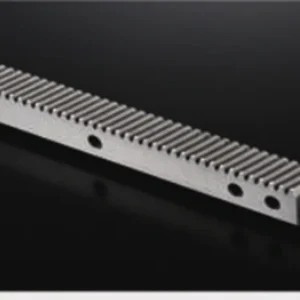
Linear Guide Gear Rack
Read more -

Round Gear Rack
Read more -
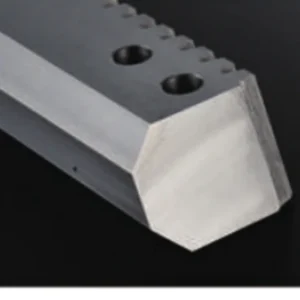
Custom Machined Gear Rack
Read more -
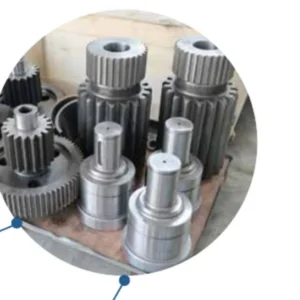
Helical Pinion
Read more -
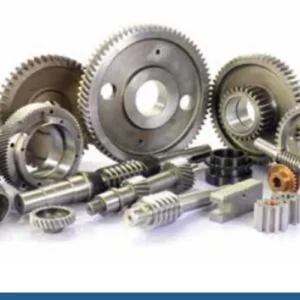
Spur Pinion
Read more -
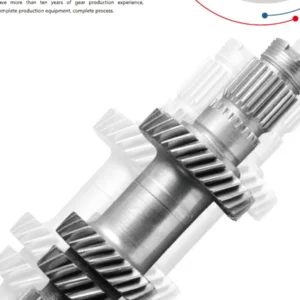
Pinion Shaft
Read more -
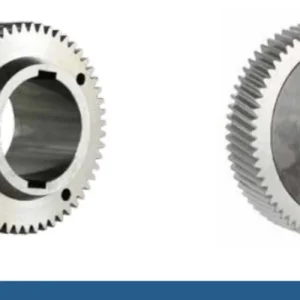
Custom Spur Gear
Read more -
Custom Helical Gear
Read more -
Custom Bevel Gear
Read more -
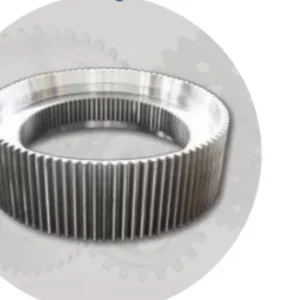
Custom Internal Gear
Read more
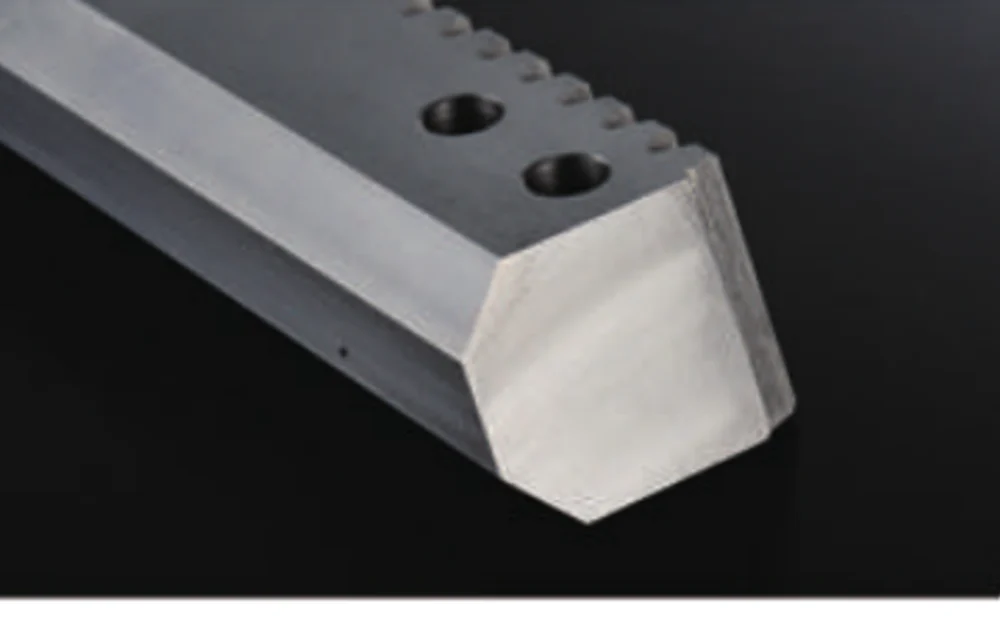
Standard teeth can still sit on a highly customized component.
Many OEM racks use a familiar tooth system but require non-standard cross-sections, mounting-hole locations, end preparation or inspection datums. Those details should remain on the drawing and stay visible during quotation, manufacturing and inspection.
If the design is still open, send the machine envelope and the functional requirement. If the design is frozen, send the latest revision of the drawing and clearly identify which dimensions or notes are critical.
Envie os detalhes que definem a peça.
A useful quotation starts with the geometry and the operating context. Send the drawing, quantity and controlled requirements; for rack-driven axes, add travel, speed, acceleration, load and the mating pinion or gearbox information when available.
Como encomendar: A quantidade mínima de encomenda (MOQ) é flexível, variando conforme o tipo de produto e o valor do pedido. Para novos clientes, as amostras podem ser de 1 a 5 unidades; pedidos com modelos variados são aceitos a partir de USD 1.500, enquanto pedidos de 1 a 2 unidades podem ser considerados mediante um preço unitário mais elevado.
Cronograma e condições: As peças padrão têm um prazo de entrega de 10 a 25 dias úteis, os componentes personalizados de 20 a 45 dias e os equipamentos para projetos de 45 a 120 dias. Os termos EXW, FOB, CIF e DAP são comumente utilizados; FCA, CFR, CPT, CIP e DDP podem ser discutidos caso a caso.